


Williamson County has 48 Century Farms, and Caneta Skelley Hankins has met the farmers behind each one of them.
In order to be a Century Farm, the land must be owned by the same family for at least 100 years, span at least 10 acres and produce at least $1,000 of farm income. Tennessee’s Century Farm program reached 50 years old this year, as it was founded by the Tennessee Department of Agriculture in 1976.
The program helps connect farmers with resources, including grants and induction into the National Register of Historic Places. It also assists with applications for a conservation easement, a voluntary legal agreement that permanently protects the land by restricting future development. The Tennessee Farmland Preservation Act, signed into law in 2025, even established grants to help pay for the conservation easement process.
This year, part of the recognition of being a Century Farm includes being immortalized in Hankin’s book, Century Farms of Williamson County: Challenges, Changes and Choices, edited and designed by Marcia P. Fraser and in partnership with local historian Rick Warwick.
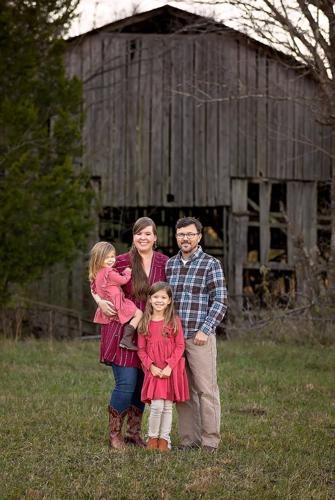

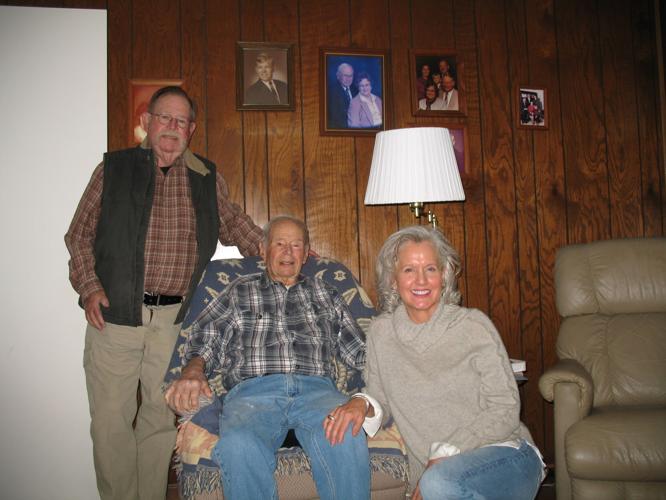
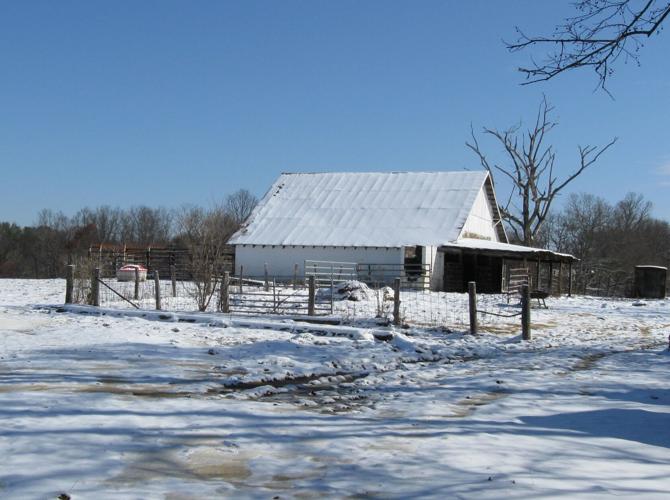


Century Farms in Williamson County
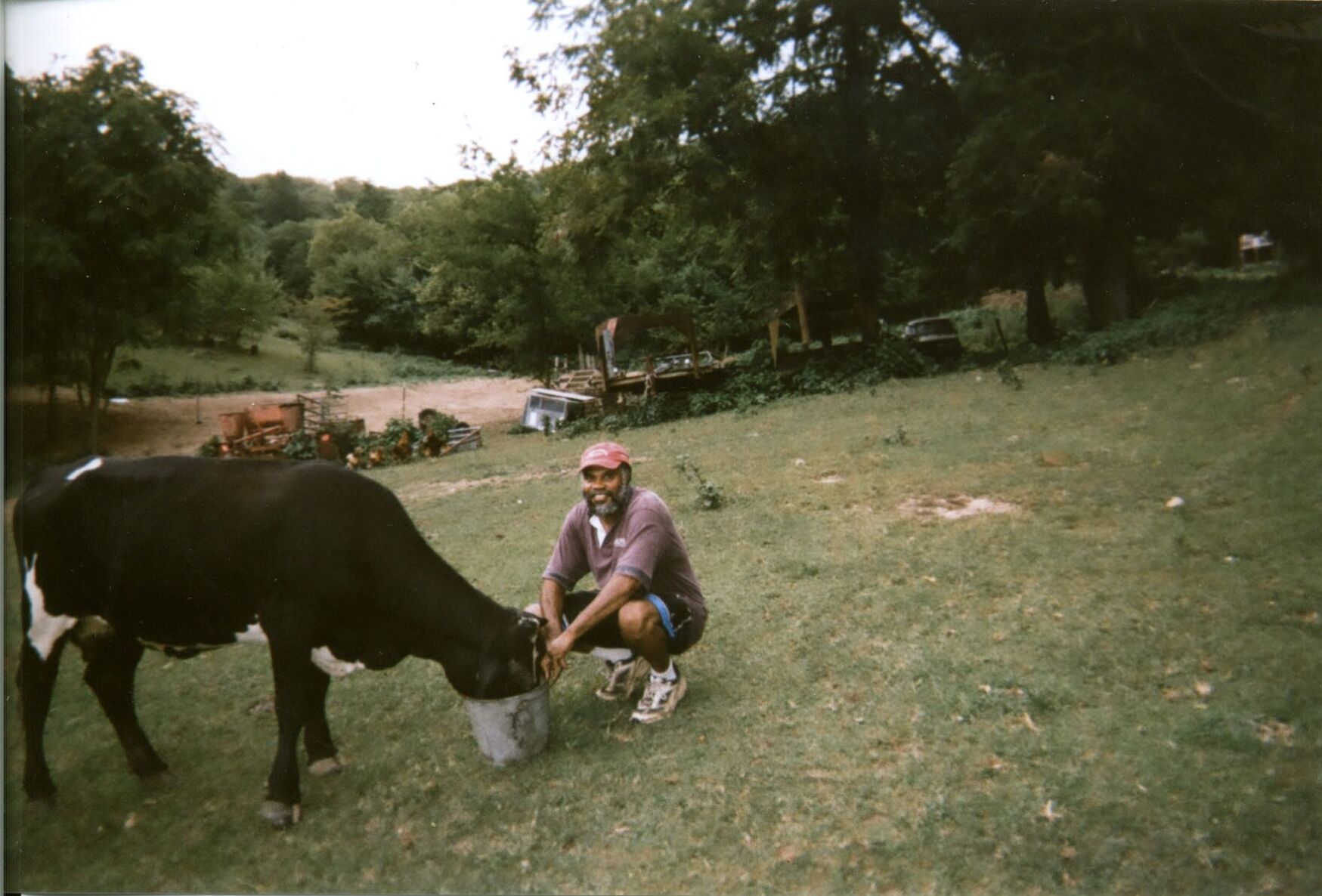
Anthony Luster, feeding cattle on his family farm, is the great, great, grandson of founder, Grant Luster, Sr., who was born a slave in 1864.
Hankins worked for the statewide Century Farms program from 1981 to 2013. One thing that stands out about Williamson County farms, she tells the Williamson Scene, is the “incredible amount of money” the farmers are being offered to sell them, due to the boom of development in the greater Nashville area. Some get calls from real estate developers three or four times per week, she learned while conducting interviews for the book.
While the Century Farm numbers have hovered in the 40s in recent years, the most common reason for a farm to exit the program is that the next generation no longer wants to maintain it. For roughly each one that leaves, another farm typically reaches 100 to take its place, she explains.
With the development also comes conflict between neighbors. Farmers report difficulty getting their farming equipment onto the road as they travel to another part of the farm to work.
“All they're doing is either taking feed over to the cattle, or taking the combine over to harvest, and people — they won't let them out,” Hankins says. “They honk at them. It's very disrespectful of these people who are doing their jobs for us.”
Some of the farmers in more developed areas have experienced neighbors walking on their property, and in one more extreme case, cutting a fence to access a field, which inadvertently lets cattle out. In another case, people trapped raccoons in a subdivision and let them loose on the farm, only for them to destroy five acres of corn, Hankins reports.
“So many are now one, two, three generations removed from an agricultural life, and they have no clue,” she says.
Agriculture remains Tennessee’s largest industry, and Williamson County still has a total of 1,153 farms, including those 48 Century Farms, according to the 2022 Agriculture Census performed by the United States Department of Agriculture. The most common crop is hay and the most common livestock is cattle — more than 24,000 of them live in the county. The products sold from farms in Williamson County have a value of $39.89 million, representing a 29 percent increase since 2017, according to the report.
Hankins wants readers to take away one important point: Farmers stock not only the Franklin Farmers Market, but they are imperative for local restaurants and grocery stores.
“If you love your burgers and fries, the potatoes came from the farm as did the ground beef,” she says. “People don't think about that. The milk you buy in the grocery store, everything comes from the farm. So if you like to eat, you need to be good to farmers.”
While more than 1,000 farms may seem like a large number, it’s dwarfed by the more than 268,000 people in the county today — as much as a 9 percent increase since 2020, according to the U.S. Census. While farmers are no longer the majority in the county, they laid the foundation for the area, Hankins points out. Historically, farmers have given land for some of the first Williamson County schools, churches, cemeteries and roads.
“Farmers are really worthy of respect because they have so many jobs and so much knowledge,” Hankins says. “They are environmentalists. They do animal husbandry. They understand the market. They have some of the most beautiful scenic spots in the county, as well as the most historic spots.”
With printing costs covered by community steward and Eastview Century Farm owner Judith Hayes, Hankins, who grew up on a farm outside the county, ensures that the Century Farms are documented, even if they are sold off in a changing landscape. In contrast to the transience that dominates Williamson County, century farmers have deep roots, which foster a sense of place, Hankins observed.
“What is so marvelous about these strong families is their dedication to the land and to their family history, and to the place where they live,” Hankins says. “I'm always almost overwhelmed when they talk about their love of that land, and how they appreciate it, and how they can't imagine living anywhere else and doing anything else.”
She continues, “There’s not a lot of people that have that deep sense of self and purpose and place.”
Commented
Sorry, there are no recent results for popular commented articles.