
The water you use isn’t naturally pure; it’s cleaned by purification plants faster than it could achieve natural water filtration. Many communities around the nation wrestle with how to combat the challenges of water scarcity, and Franklin is no different.
A decade ago the City of Franklin created its Integrated Water Resources Plan (IWRP), a “roadmap” to best utilize Franklin’s water resources with good stewardship of the Harpeth River. Now, Franklin’s Water Management Department is using a pilot facility in southeast Franklin to test water purification technology.
“We intend to operate for 9 months, and then what we’ll do is take that data and then we'll kind of use that to plan a full-size facility,” said Michelle Hatcher, director of Franklin's Water Management Department.
When the city moves forward with building the full-size facility in southeast Franklin, a spacious park will will be integrated into the Water Management Department’s new property. The expansive park will feature an inclusive playground, many full-sized athletic fields, and other amenities.
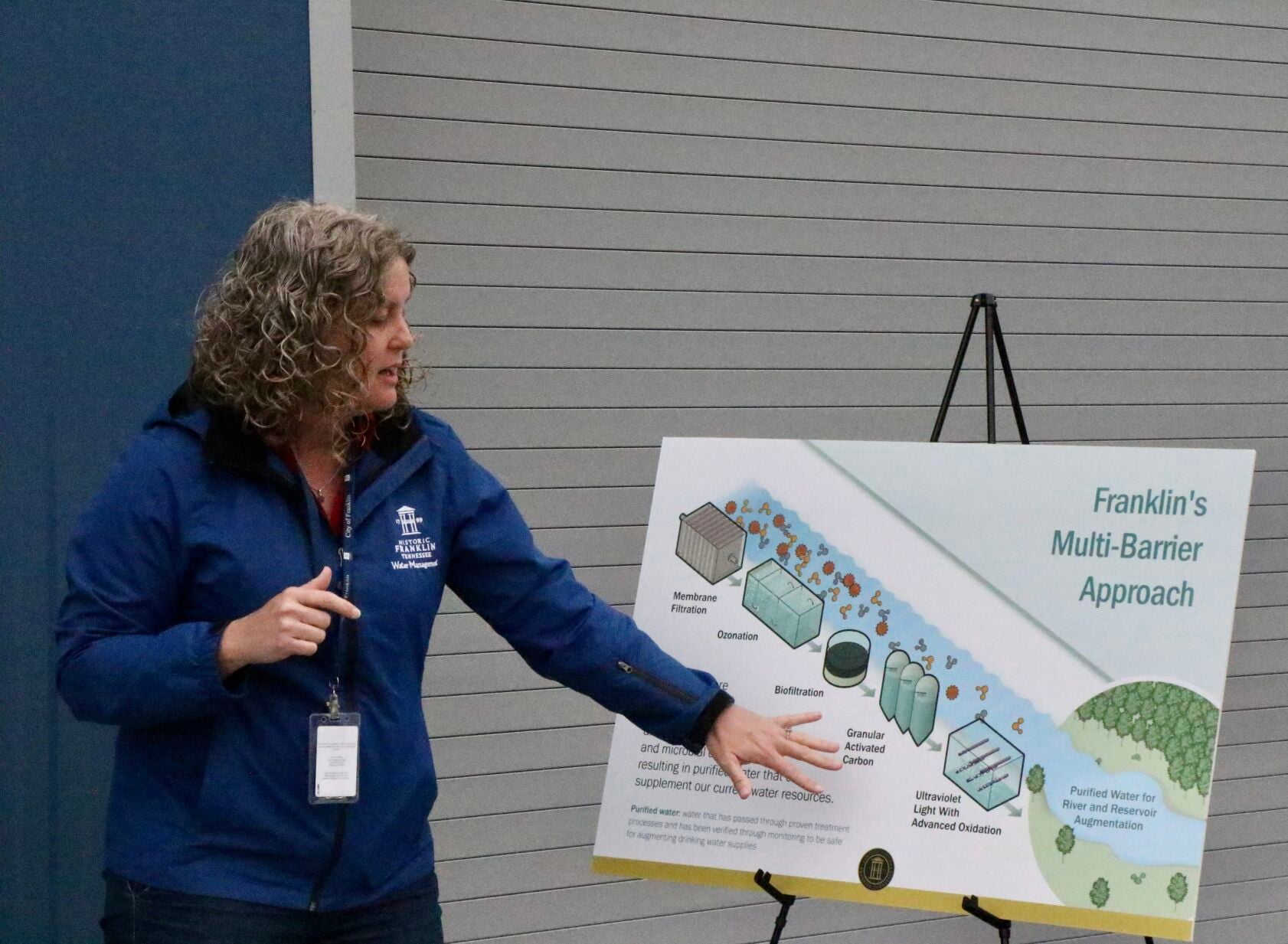
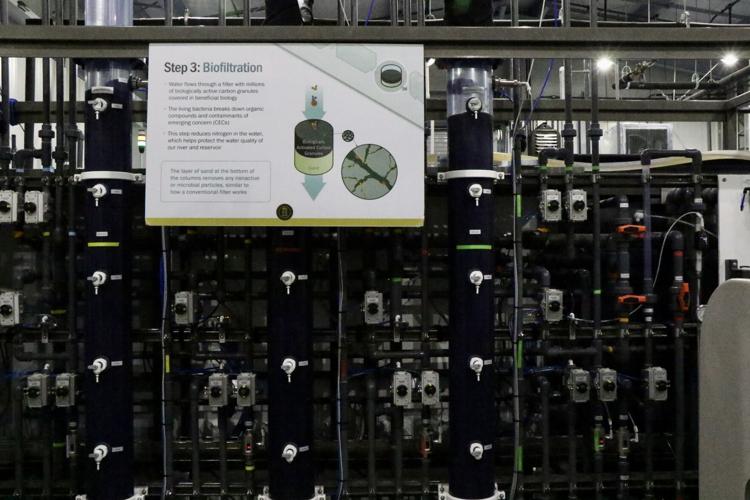
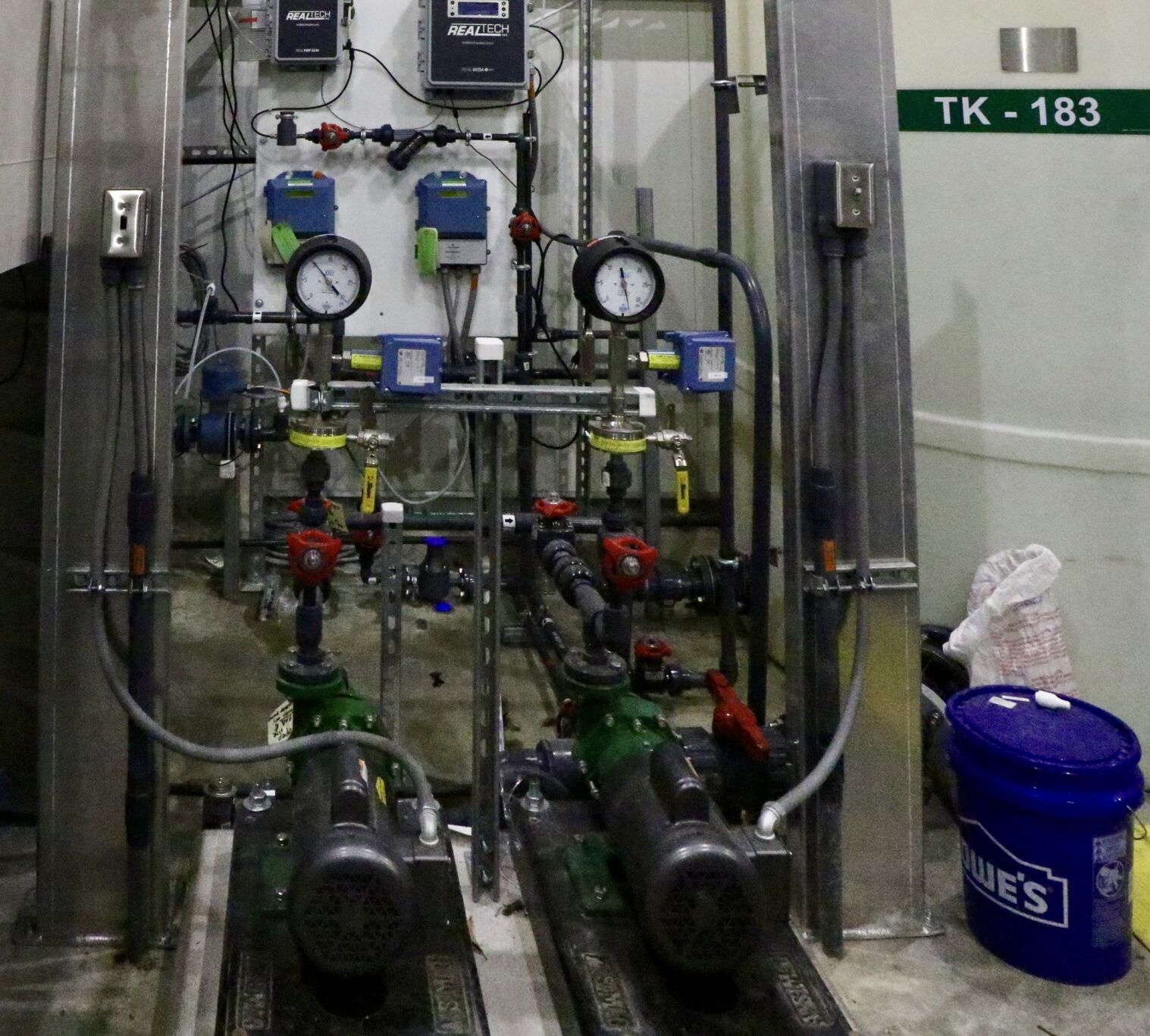
The pilot facility is currently testing five processes intended to produce purified water: membrane filtration, ozonation, biofiltration, granular activated carbon, and ultraviolet light with advanced oxidation. The processes work together to remove microsized contaminants from the water supply until it meets the scientific standard for purified water, making it safe to drink and use.
“As that process has evolved, we have incorporated new technology across the system that makes our treatment facilities more sustainable, more resilient, and more efficient," Hatcher said. "As We develop the next phase, it makes good sense to continue to focus on the latest treatment technologies.”
All of the technology has been tested and utilized in other areas around the United States. What sets Franklin apart fron the other locations is their approach to sustainability for the growth of the community.
In 2017, the U.S. Census ranked Franklin as the 8th fastest-growing city in the nation, and six years later the city continues to boom with new businesses and residents. The city’s history and growth make Franklin a popular place to be.
“The City of Franklin is consistently recognized as a community that plans for and invests in its future through solid long-range planning and forward thinking," Franklin Tomorrow CEO Mindy Tate said. "This is another example, and I applaud the vision of our leadership in ensuring a sustainable future."
A full-scale water reuse facility would ensure water reliability and sustainability for the future and enhance the ecological health and recreational use of the Harpeth River. The success of the pilot facility would mean increased flows of the Harpeth River would supplement drinking water levels in resident’s reservoirs, especially during Tennessee’s drier months. An increase in water availability would allow the river to be used year round.
“We applaud the City of Franklin for exploring innovative, sustainable approaches to wastewater treatment and reuse. We are grateful for the City’s collaboration with our Division of Water Resources staff on the pilot clean water facility, and we will continue to serve as a resource for the city and its residents as it looks to balance economic growth with protection of the environment,” Tennessee Environment and Conservation Deputy Commissioner Greg Young said.
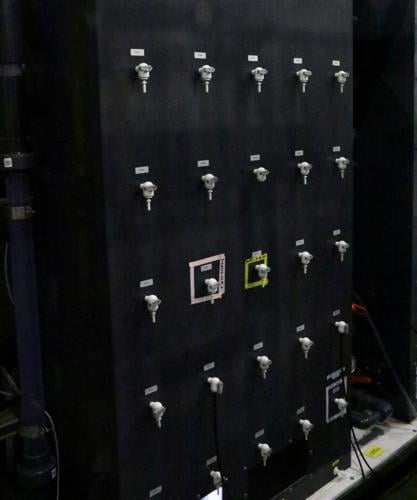
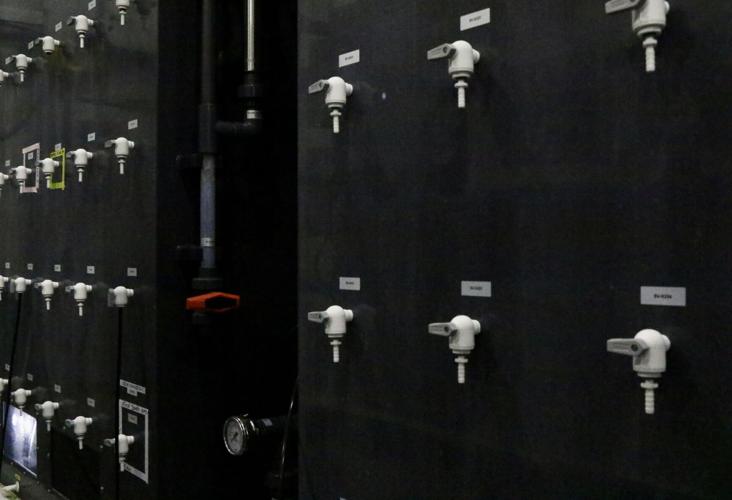
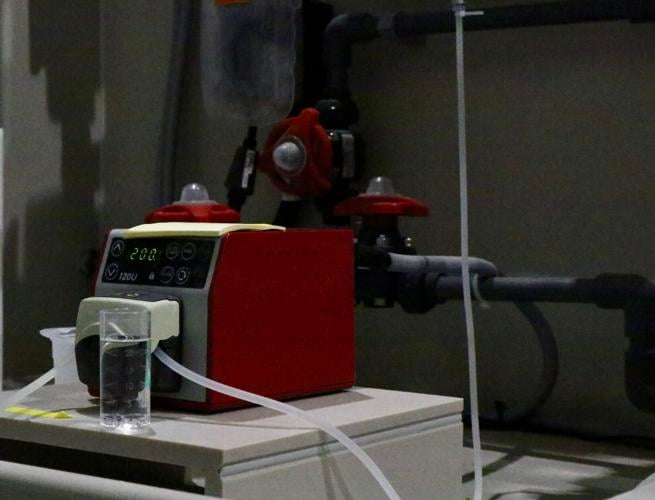
The launch of the pilot facility will enable Franklin to simulate the treatment process on a smaller scale and collect samples to analyze for chemicals. While it doesn’t produce as much water as a typical plant, according to Hatcher, the pilot produces almost three million gallons of water per day. Production is key to testing the efficiency of the equipment and processes before building a larger facility dedicated to the task.
The Integrated Water Resources Plan is an opportunity to increase water availability for the future. Being able to reclaim and reuse the water supply will make Franklin more of an independent and resilient city. Franklin’s plan can potentially provide its community with an abundance of clean water for decades to come.


Commented
Sorry, there are no recent results for popular commented articles.