

PART ONE
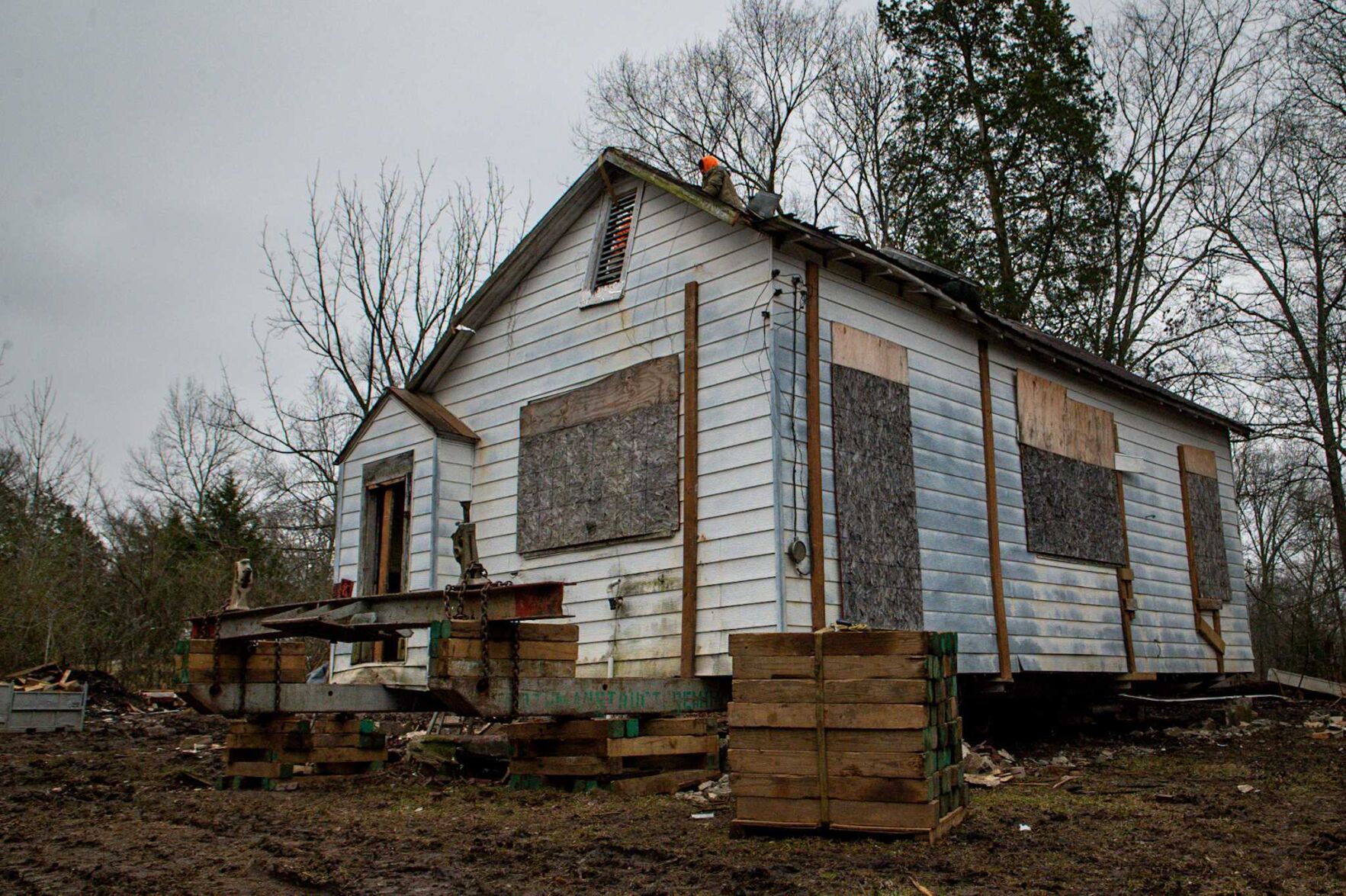
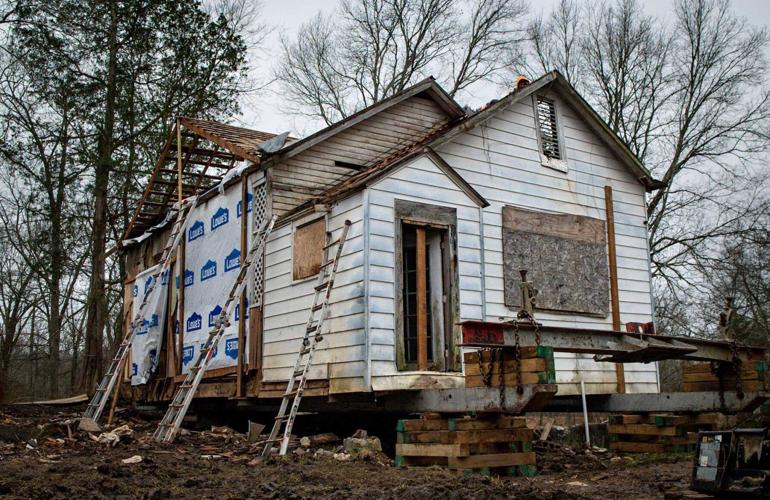
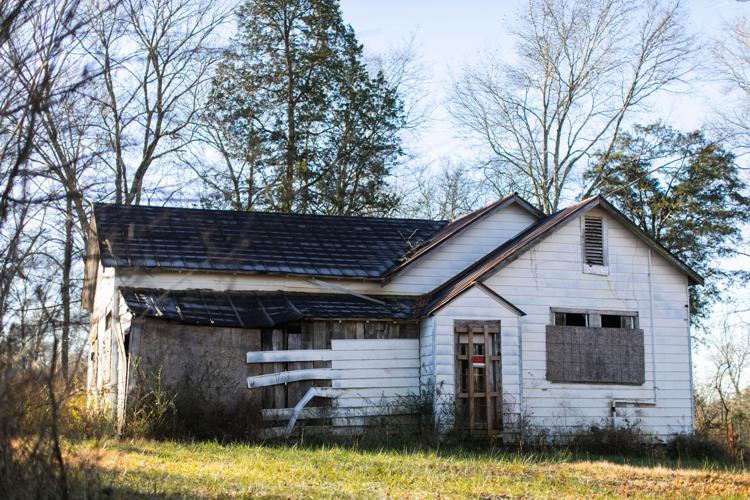
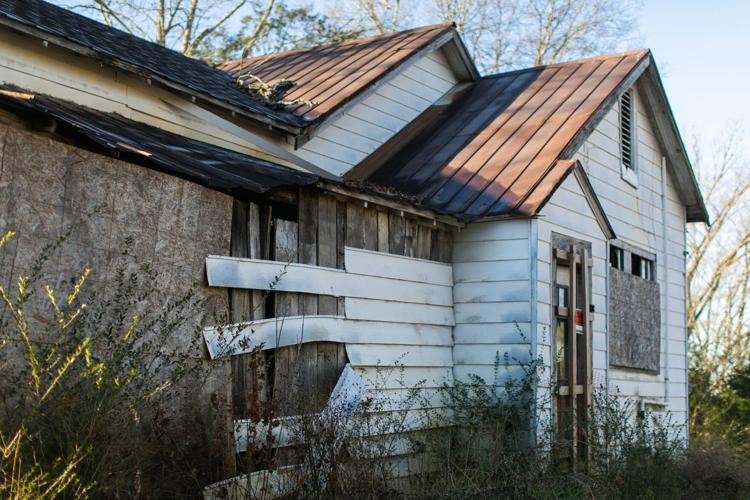
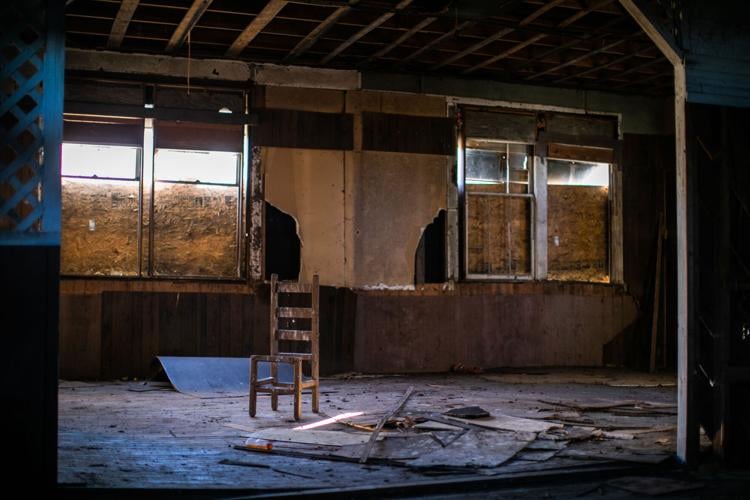
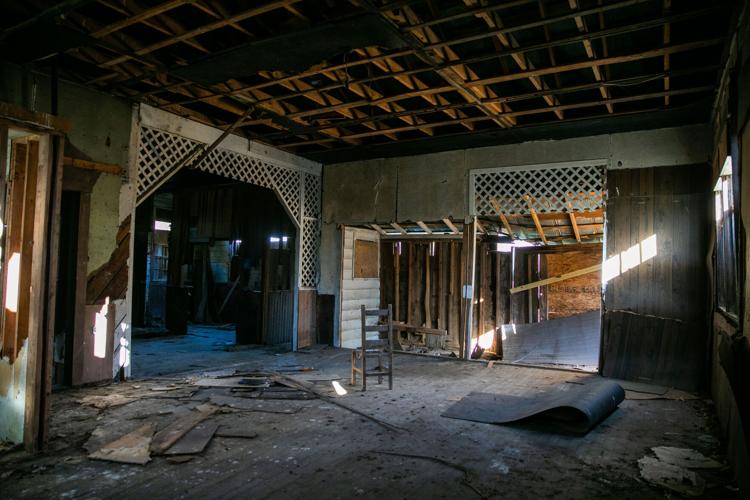
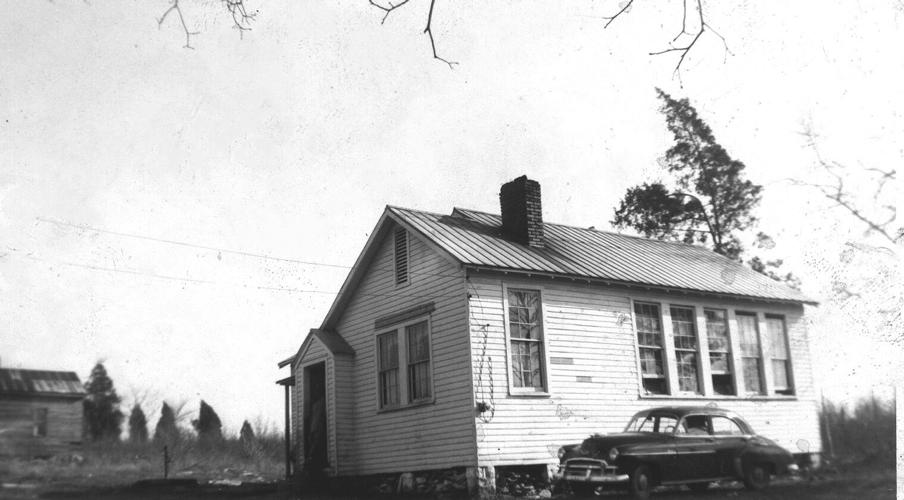
On the first day of Black History Month, The Lee-Buckner School – the last remaining Rosenwald School in Williamson County, built to educate Black children during segregation – moved off the land where it was built in Spring Hill and to its new home for preservation in Franklin.
When Lee-Buckner came into view from the front lawn of the Heritage Foundation’s Franklin Grove and Gardens, tears began to fall from the faces of those who had been waiting for that very moment.
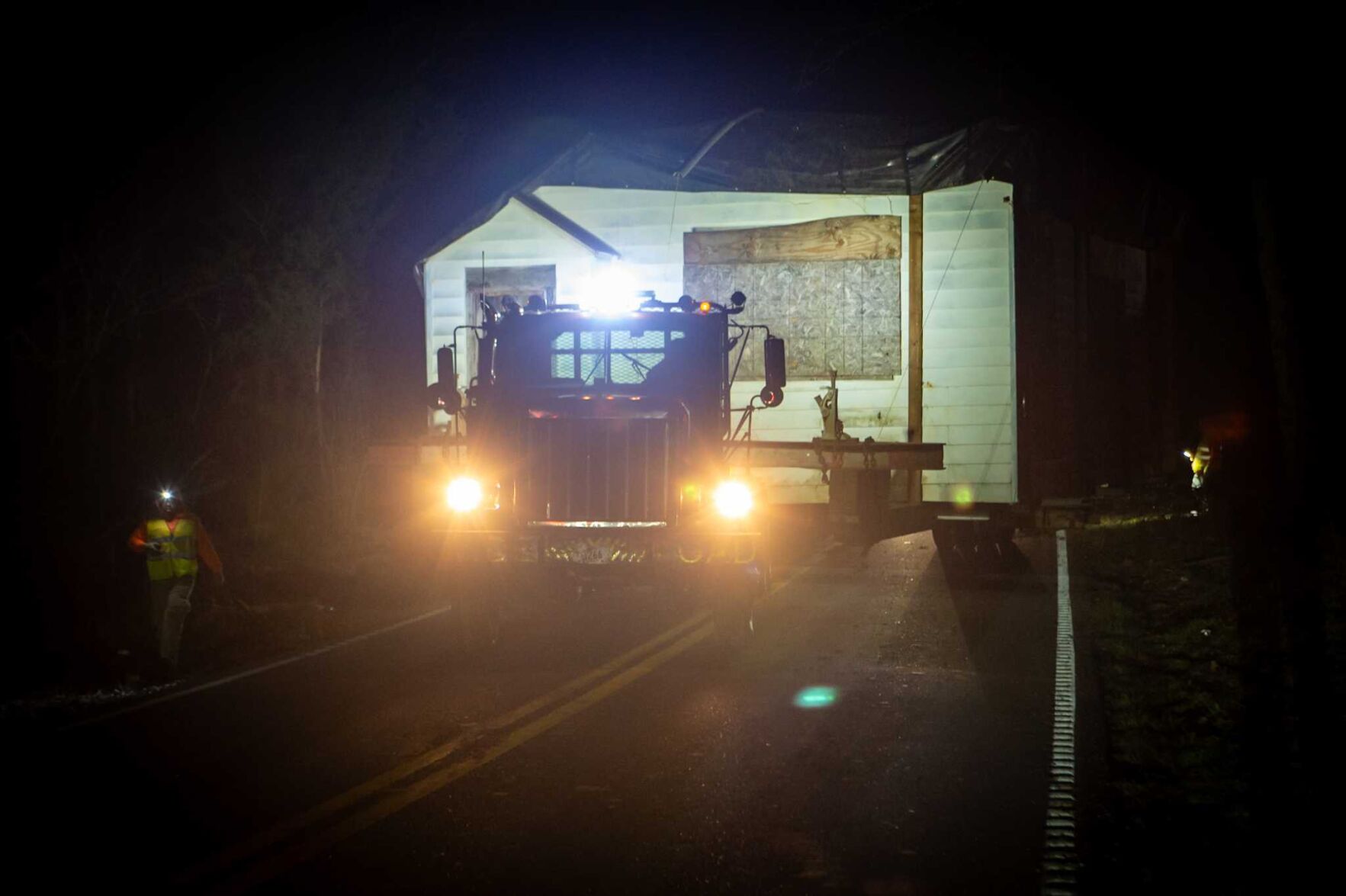
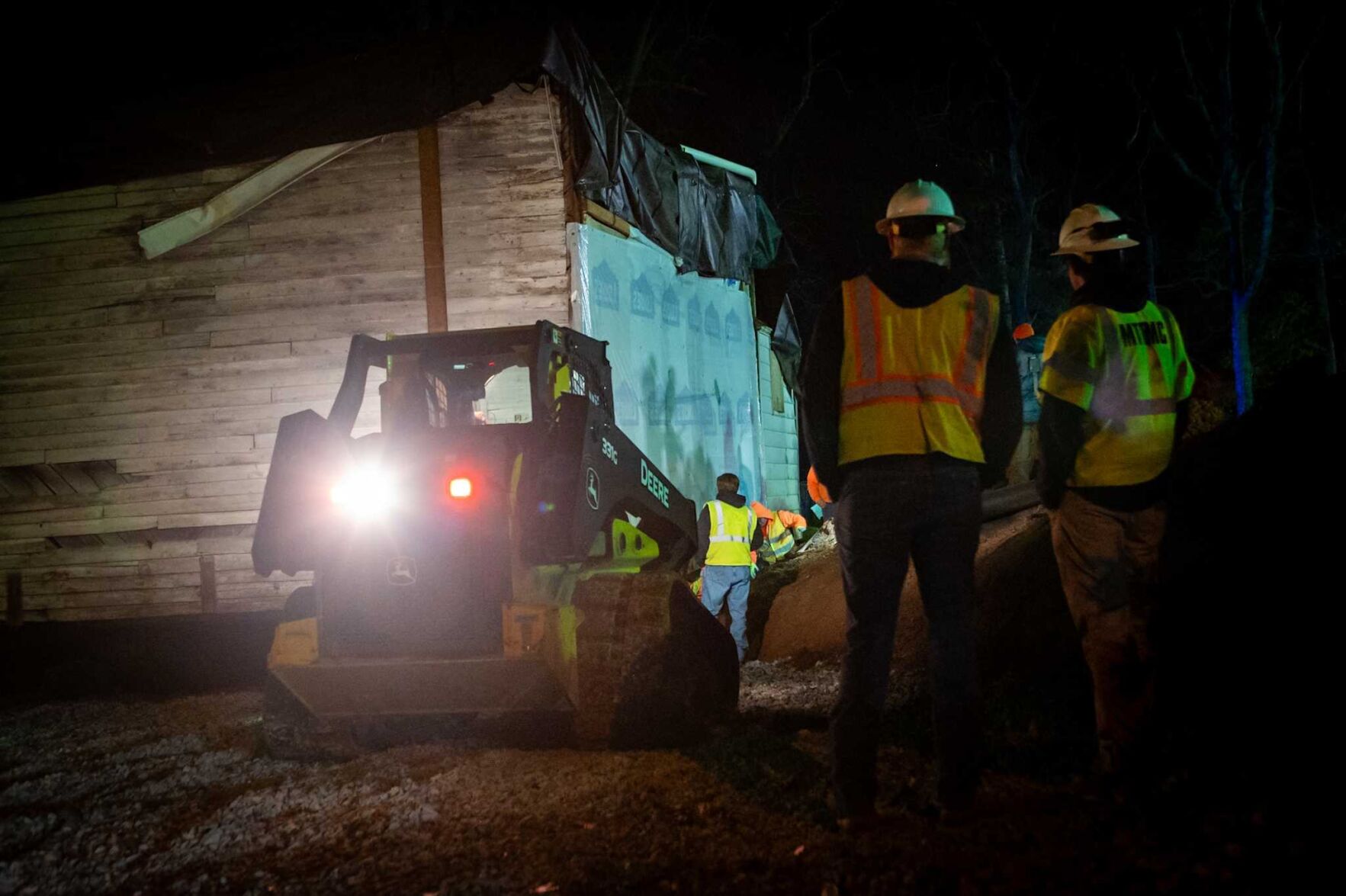
It took two careful hours of slowly moving the structure on the back of a semi-truck to get to that point. Franklin-based firm Oversight facilitated the move along with American Constructors, 906 Studio and Toothman Structure Movers. Toothman has moved several historic structures in Tennessee including local ones like the Union Army Hospital in Franklin and the original Cracker Barrel in Lebanon.

But, this move was a representation of more than just a structure. With restoration, the school will become a place of education once again.
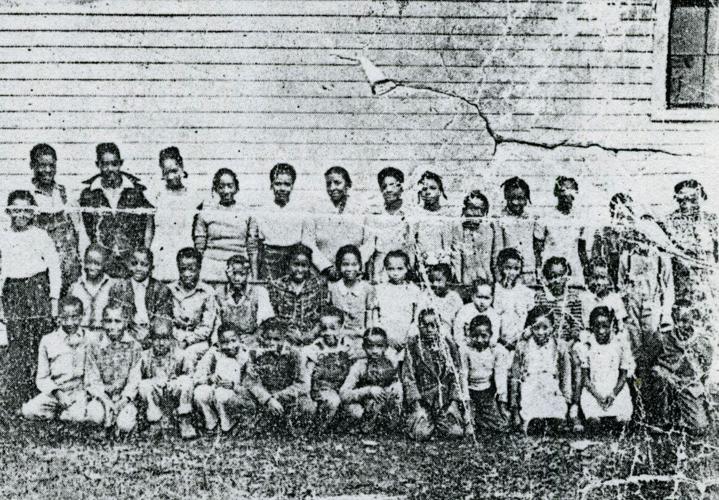
At midnight, former students hugged one another, rejoicing as the very four walls of the Lee-Buckner School where they learned how to read and write now inched their way down Lewisburg Pike.
“It’s one of the happiest times in my life to see some of our history come to Franklin for people to see how we Black kids went to school,” Georgia Harris said. “It’s history and a lot of people want to hide the history. You can’t do one history like the other. We’re all connected.”
Harris went to most of the meetings the Heritage Foundation had with the city to get approval to place the school at Franklin Grove. She said there were many complaints along the way, but by 1 a.m. on Feb. 2, she could hardly find the words to express her joy that it had been completed.

Heritage Foundation CEO Bari Beasley said in 2018 she did not even know about the Lee-Buckner School. At the time, she was thinking about expanding educational programming and imagined having a schoolhouse as the perfect hub to do that. When Beasley approached the county historian about the idea, that’s when she learned the school needed to be saved.
“We met with the person who owns the schoolhouse property. She informed us that the land was going to be sold and developed,” Beasley said. “Ideally, as a preservationist you would want it to stay on the land where it is, but because it was going to have to either be demolished or moved we were able to work with her and acquire the building.”
That building is now nearly 100 years old and was built on land from Monroe and Francis Lee – a Black family. William was born into slavery but went on to become a landowner who gave back to help educate children in his community, an area in Spring Hill known as Duplex.
Lee-Buckner School
- Photo: Hamilton Matthew Masters
- Photo: Hamilton Matthew Masters
- Photo: Hamilton Matthew Masters
- Photo: Hamilton Matthew Masters
- Photo: Hamilton Matthew Masters
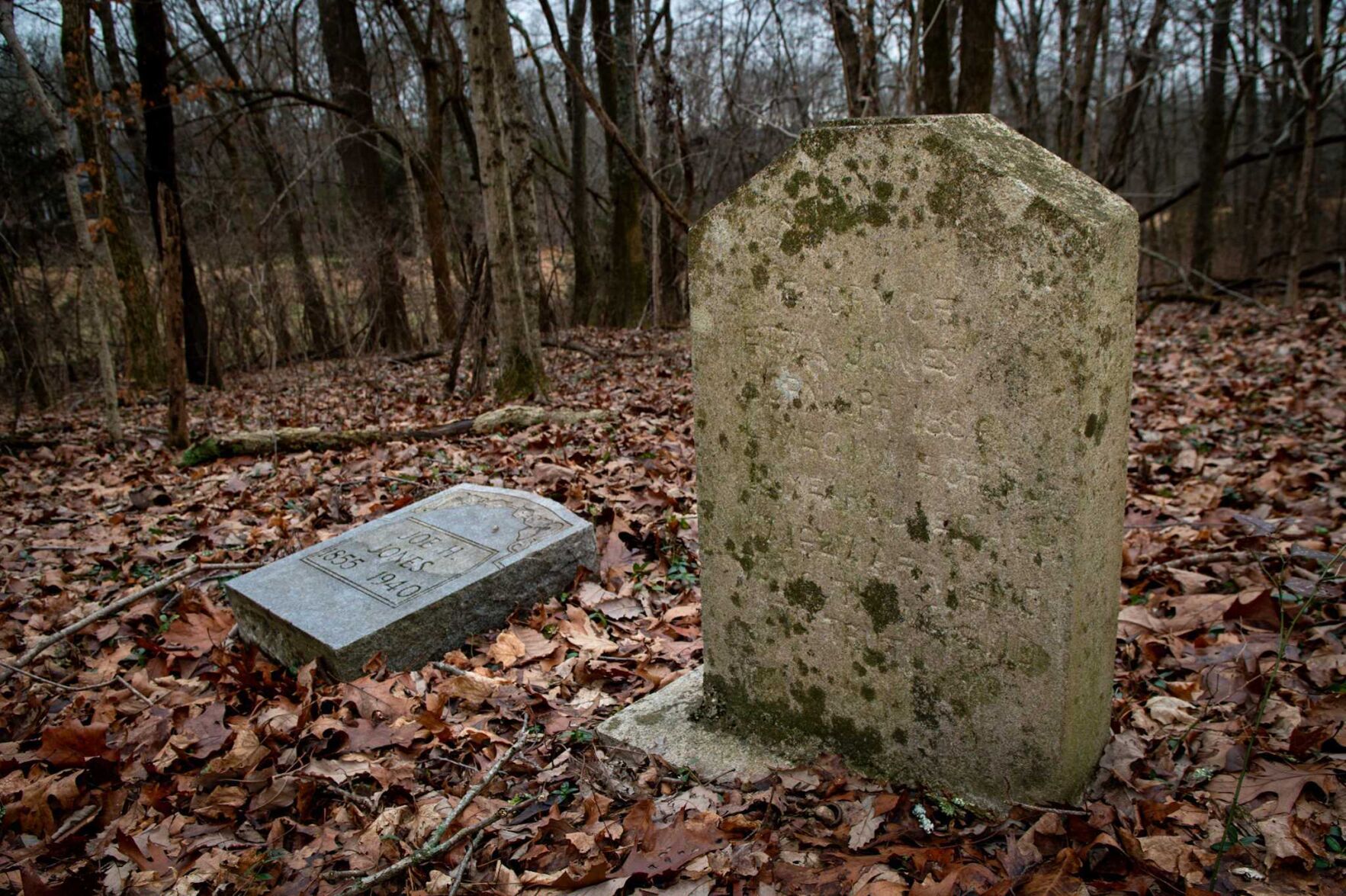
Joe Jones and Etta Jones headstones in the Spratt Cemetery
- Photo: Hamilton Matthew Masters
- Photo: Hamilton Matthew Masters
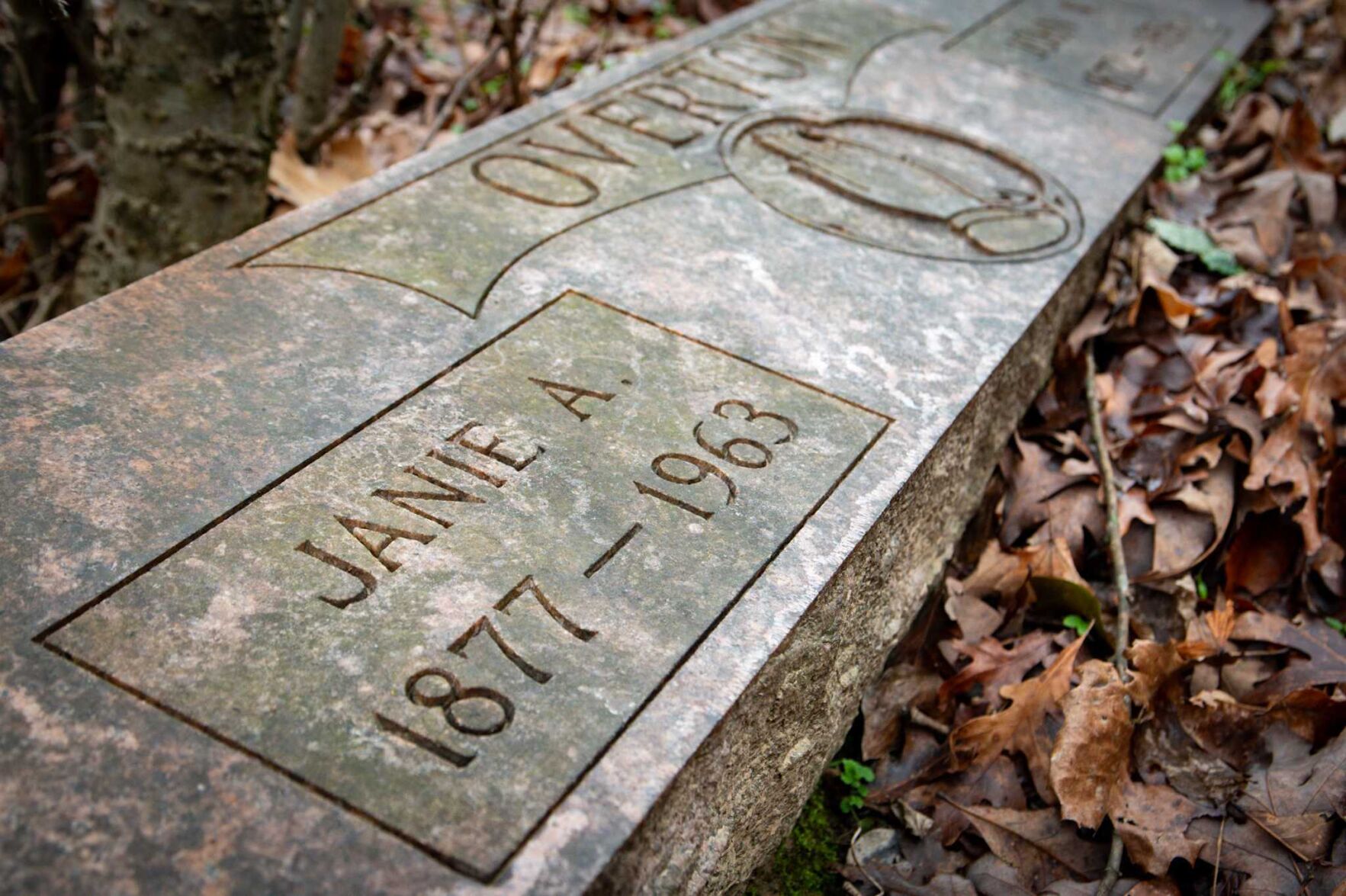
Janie Overton's headstone at the Spratt Cemetery
- Photo: Hamilton Matthew Masters
- Photo: Heritage Foundation
- Photo: Heritage Foundation
- Photo: Heritage Foundation
- Photo: Heritage Foundation
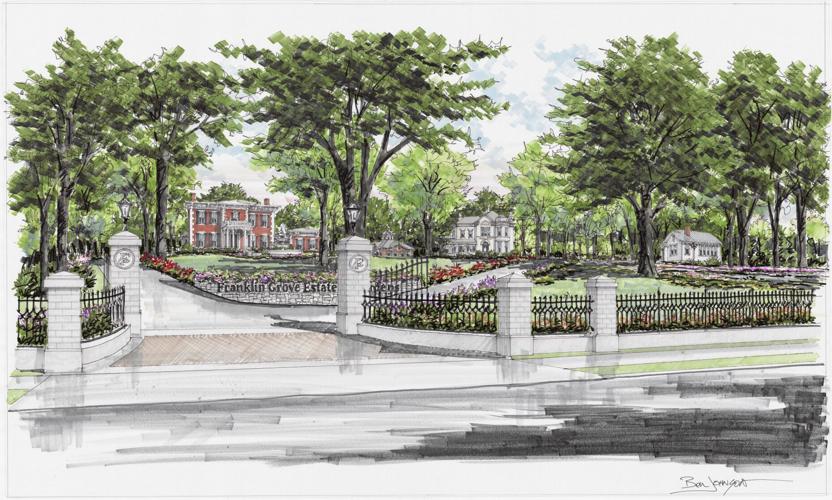
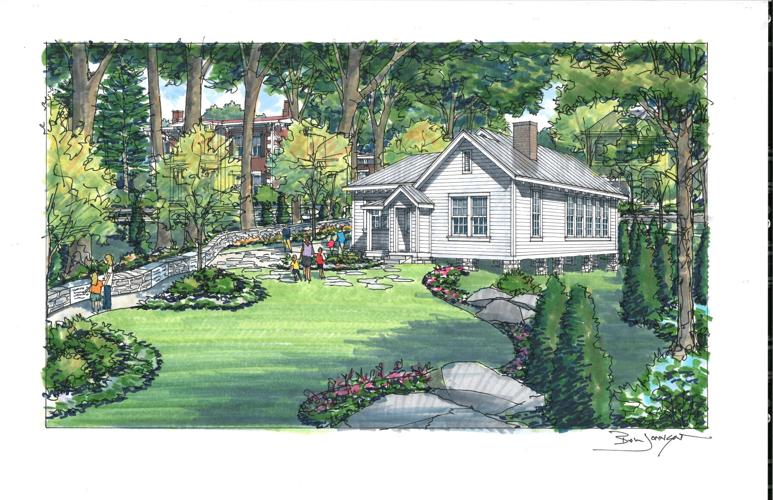
Franklin Grove rendering with Lee-Buckner as the building on the far right
- Photo: Heritage Foundation

Franklin Grove with Lee-Buckner on the far right
- Photo: Heritage Foundation
- Photo: Heritage Foundation
- Photo: Heritage Foundation
- Photo: Heritage Foundation
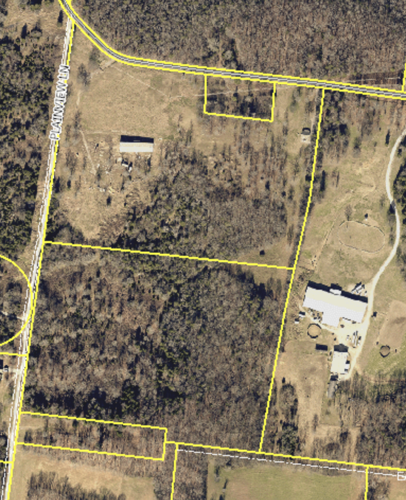
The small rectangle towards the top of the map is where Lee-Buckner was located. The long skinny rectangle at the bottom left is the Spratt Cemetery.
- Screenshot Williamson County GIS
Lee-Buckner was built as part of an initiative between the CEO of Sears, Roebuck and Company, Julius Rosenwald, and Tuskegee Institute leader Booker T. Washington. More than 300 of those schools were built in Tennessee, but now less than 17 percent remain. When Rosenwald Schools were built, they required buy-in from the communities, which is why the Lees' land donation was so important.
“We used to talk a lot about strictly the built environment – we're saving the places that matter. But really, Lee-Buckner has taught me personally that it's not just about saving the places, but also the associated stories,” Beasley said.


Lee-Buckner students share their stories of education, community