


“We have now reached a turning point,” said Vanderbilt Chancellor Daniel Diermier of the COVID-19 pandemic as he introduced his latest lecture series.
The discussion centered on how to move from “pandemic” to “endemic,” vaccine rates and variants at Thursday’s virtual panel. Three Vanderbilt physicians met to discuss.
Pandemic to endemic
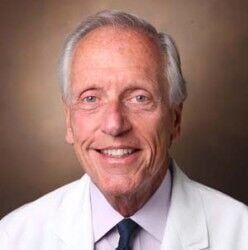
William Schaffner
Dr. William Schaffner, professor of preventive medicine, defines endemic as something the population “almost has truce with,” similar to the way the population deals with influenza each year.
Director of the Vanderbilt Vaccine Research Program, Dr. C. Buddy Creech, said all metrics are imperfect when it comes to measuring how close we are to endemic status. As of March 11, Tennessee was seeing a 6.8-percent positive test rate, and Creech said he would like to see it continue to stay under 10 percent. He said rates of hospitalization are lowering, but that doesn’t necessarily mean we’re out of the woods, or that the health care system isn’t strained.
“When you have a small percent of an enormous number, that’s still a lot of people,” Creech said.
When it comes to masking and travel, the panelists had different views, and explained that it’s up to personal preference now.
“We're all going to have to have a lot of grace with each other because we all come from different risk backgrounds,” Creech said. “And I think that's one of the most important things we could say going forward, is that whether one feels a little bit more freedom where someone else still feels like they don't — I think we just need a whole lot of grace within one another to say both of those are equally valid.”
Variants
Creech said the goal is to apply immunologic pressure in the face of variants and hope that the virus changes in a way that is less dangerous in humans. He described an “arms race” between the population and the changing virus.
“The more we have vaccinated, the more immunity we have, the more coordinated pressure we put on this virus so that the mutations that do occur actually serve to weaken the virus and push us more towards that common cold side of the spectrum, rather than a severe pneumonia side of the spectrum,” he said.
Even with variants, the physicians on the panel emphasized that the existing vaccines still provide the most broad coverage. It still remains to be seen how durable the immunity will be, but the immune system never fully forgets, Creech said.
Vaccination rates
Tennessee still has a lower vaccination rate than other states at just under 54 percent fully vaccinated compared to 65.7 percent of the nation fully vaccinated. Creech emphasized that children getting vaccinated is still a key part of that, especially to provide a stop-gap to prevent the virus from entering the household.

Consuelo Wilkins
To counteract low vaccination rates, Dr. Consuelo Wilkins, Vanderbilt’s senior vice president and senior associate dean for health equity and inclusive excellence, said she prefers to emphasize “vaccine readiness” over “vaccine hesitancy.” She said it’s time for a fresh round of messaging that better engages trusted community leaders, especially for communities of color that have been disproportionately impacted by the pandemic.
“[COVID-19 information] really needed to be delivered within communities of people who are not going to be watching the national news, who are not going to be reading the New York Times, Washington Post, Wall Street Journal,” Wilkins said. “Where do people consume information? How do they consume it? We needed to do a much better job with that and recognizing that the lack of trust in research due to historical research abuses, the differences in trust in government.”
Commented
Sorry, there are no recent results for popular commented articles.