
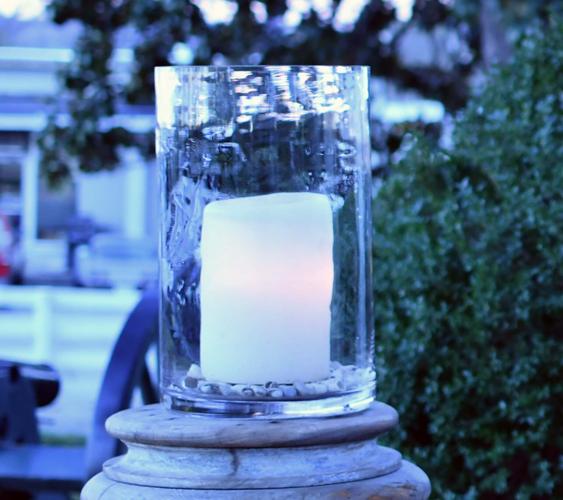


On November 30, 1864, at 4:30 p.m. the Battle of Franklin began; on November 30, 2022, the Lotz House lit a luminary in commemoration of “those who died, those who survived, and how it changed Franklin and beyond forever.”
The Battle of Franklin was one of the last great battles of the American Civil War. Gen. John Bell Hood, head of the Confederate army, marched with his troops toward Nashville. Meanwhile, Maj. Gen. John M. Schofield of the Federal Army rushed to Middle Tennessee to slow Hood’s Advance. The result was what is now considered “one of the bloodiest battles” of the war.
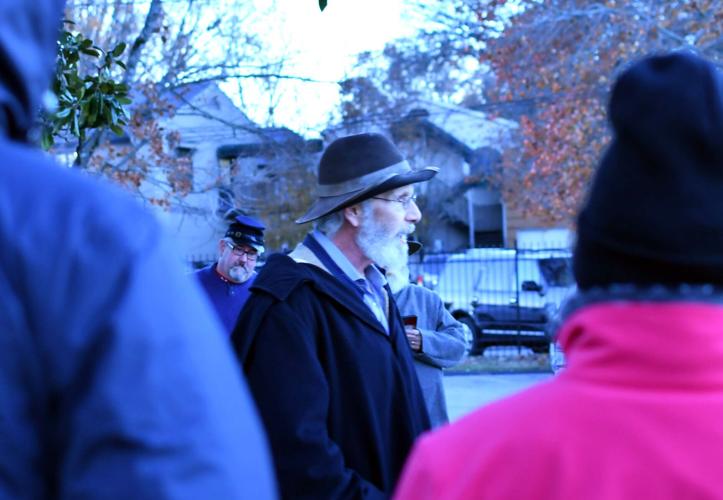
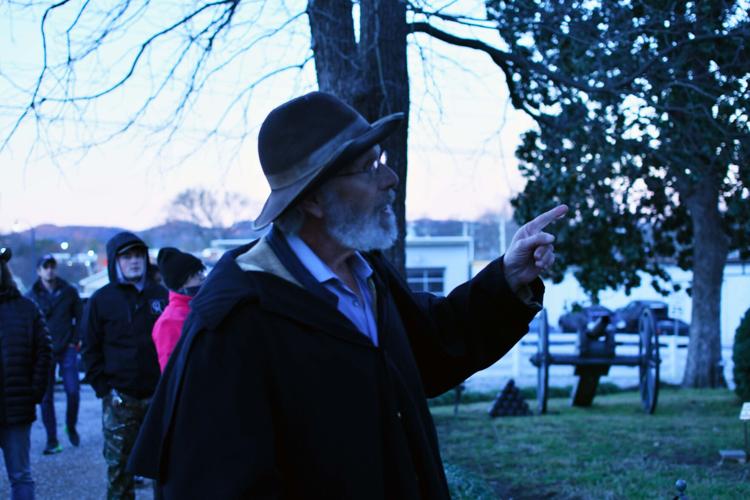
Executive Director Thomas Y. Cartwright has been passionate about history all his life, now he is stationed at the Lotz House sharing the stories of the Battle of Franklin and its soldiers to keep their memory alive.
“The illumination is to honor these brave Americans that gave everything they had, fought, bled, and died on the field on this battlefield.”
The Lotz House is the “epicenter” of the Battle of Franklin, pivotal to the Civil War.
Since the opening of Lotz House in 2008 history enthusiasts have worked to preserve this relic of Franklin’s history and the tradition of lighting the luminary provides for remembrance.
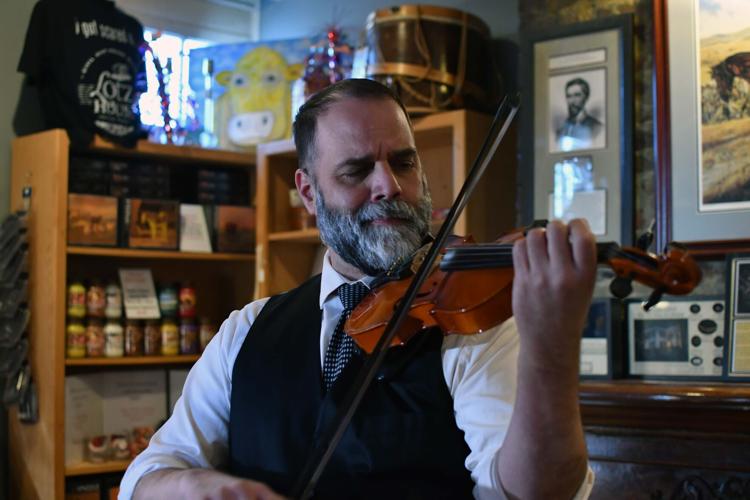
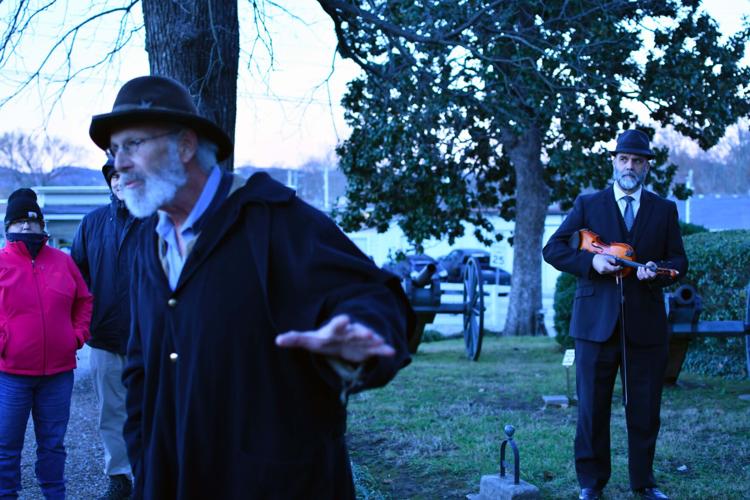
The historic house invited the community to attend the ceremony in honor of all soldiers who fought in the war. Historian and musician Cody Engdahl opened the commemoration with a song on his violin.
For Cartwright, the ceremony is not about numbers, or who fought on what side. It is about the stories of Americans who fought for their country.
“North, south, red, blue, Confederate or Federal (better known as the Union), we’re here to honor all their memories. For me, they're never dead. They're not dead to me. They're still alive.”
Cartwright apprised attendees of stories of the men who fought in the battle.
Sgt. Day Elmore (1844-1864) enlisted as a drummer in 1861 for the 36th Illinois. Sgt. Robert Bringhurst (1835-1864) of 49th Tennesse led his men into battle on crutches. Cpt. David Bard (1841-1864) of the 104th Ohio was mortally wounded and cared for by a family in Franklin. These men spent their final days in the heart of Franklin as did many others.
“It's about the stories of these brave, brave Americans. They gave everything they had.”