


Soldiers serving in American wars often marched hundreds of miles, finding themselves a long distance from hearth and family.
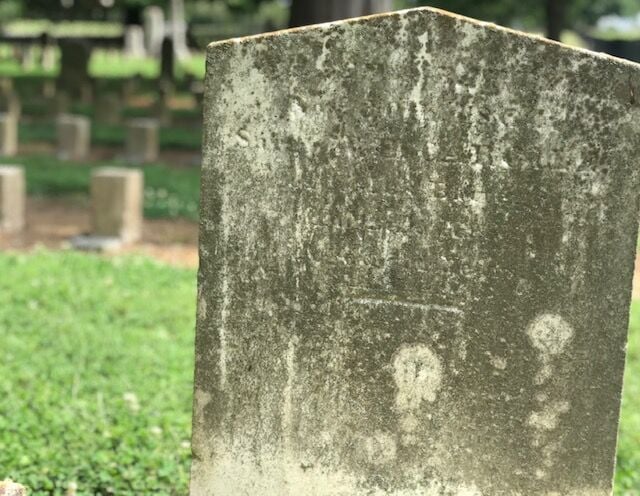
And even at death, their final journeys often did not end close to home. A small and rather obscure cemetery about 20 miles from downtown Franklin tells stories about such final resting places for soldiers of the Civil War and other American conflicts, and their long final stop.

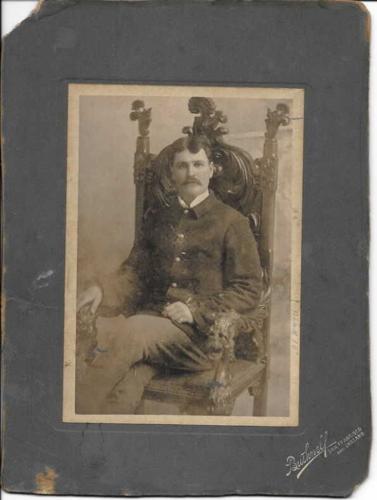
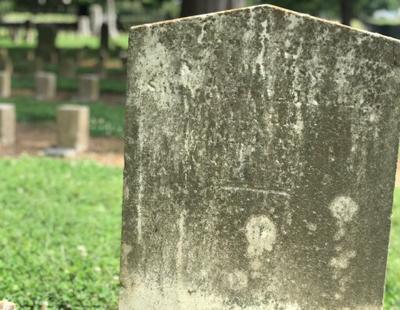
Sgt. Walter Parham, First Tennessee Infantry Company B, 1899 Philippine insurrection
In the Civil War, deceased soldiers were often quickly buried and later moved if they were identified and lucky enough to have a caring person advocate for a better resting place.
One of those places of rest, the Spring Hill Cemetery, located just east of Columbia Pike in the old town area, will be featured during a Sept. 26 tour hosted by the Spring Hill Cemetery Board. This event will be assisted by the Cheairs Sons of Confederate Veterans Camp and the Franklin Civil War Round Table.
An example of the transitory nature post-death of many soldiers from both sides in the Civil War is the Battle of Franklin. Confederates and federals alike were interred at Columbia’s Rose Hill Cemetery, while Northern soldiers would later be re-interred at the Stones River and Nashville National Cemeteries.
Their former foes from the South usually had no such luxury. They would be rested in family plots, small church cemeteries, and sometimes, in unmarked graves right where they fell.
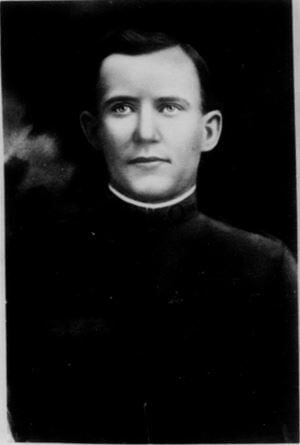
Sim Watson killed in a train wreck on the way home after WWI
Legend and lore had long held there were many Confederates buried at the Spring Hill grounds, but for a century, no one was sure who and how many. According to Mike Hoover of the SHCB, the first known civilian burial there was in 1839, and there were no official records of burials until the 1920s when the board was formed. Today there are still “…graves not marked by a tombstone,” he said.
He noted that a Martha Bond moved the Confederates, scattered in known graves over several counties, to Spring Hill in 1866. Bond was probably Martha Bond Cheairs of the nearby home in which Gen. Earl Van Dorn was killed in May 1863. If indeed the same lady, then her brother in law, Nathaniel, was the builder of Rippavilla, just a couple miles south of the cemetery.
The cemetery just missed being in the middle of the 1864 Battle of Spring Hill where federal troops were in battle line west of the sight facing east toward the Confederates.
Had the Southerners attacked, it would have gone right through the cemetery acreage. As it were, the location was no stranger to the sounds of combat, not just during the November 1864 action, but throughout the war.
In the years following the conflict, the facility, including the Confederate burial area, was in bad shape with farm animals roaming the grounds and brush taking over. In 1870, several Spring Hill youth began putting on events to raise funds for its restoration. In 1919, another local group of the time, the Village Improvement Society, held ice cream sales to raise money for the cemetery’s upkeep.
But it was not known for sure who the Confederates were buried at Spring Hill until 2012 when Rippavilla historian Andrew Sherriff discovered an 1866 newspaper article confirming that Capt. Sam Freeman, along with 38 others, lay in state there.
In April 1863, Freeman, a Nashville native, was in command of Gen. Nathan Bedford Forrest’s four-gun artillery battery south of Franklin in today’s Berry’s Farm complex when he was captured by federal troops. Injured, he was told by his captors to run and when he could not, was allegedly shot and by some accounts, murdered.
The article confirmed Freeman’s interment at Spring Hill as well as 38 Confederate colleagues who mostly now have their names immortalized on stones around the Freeman obelisk along with four unknowns. It was not even certain where the soldier’s graves were located until the United Daughters of the Confederacy erected the obelisk at the then confirmed site in 1971. In 2013, the Cheairs Camp began erecting individual head stones.
Twenty-five soldiers were killed in Williamson County, 13 in Maury, and one has not been confirmed. Unlike Capt. Freeman, most of these men lost their lives at the November 1864 Spring Hill fighting or the March 1863 Battle of Thompson’s Station. Arkansas Col. Samuel Earle was the ranking Confederate officer killed at the Thompson’s Station fight and is included with those at the Spring Hill Cemetery.
Today, there is a street named after Capt. Freeman in Berry’s Farm, mostly meaningless to all but a few who know the history of the area and the tragic circumstances of his death.
Next month’s Spring Hill Cemetery Tour will be at the site just east of Columbia Pike at 520 McLemore Ave. Along with Capt. Freeman, others featured include a World War I veteran, a young lady involved in a famous lawsuit and a veteran of the Philippine Insurrection of 1899. One stop will give an “overview” of the Battle of Spring Hill and its proximity to the cemetery.
The first group will step off at 4 p.m. with staggered tours going until 7 p.m. The cost is $10 per person with children under 10 years of age admitted free. Proceeds go to the maintenance and upkeep of the Spring Hill Cemetery. For additional information, contact Mike Hoover of the Spring Hill Cemetery board.
Franklin Civil War Round Table members can contact gregwade55@yahoo.com.