


Williamson County loves preservation and history. No matter what part of the county you’re in, incorporated and unincorporated areas alike, each local government and community values its place in history around here. Many residents would agree it's one of the best things about this place and one of the first things you notice when you walk or drive down the street and maybe even what drew them to the community if they aren’t from here originally.
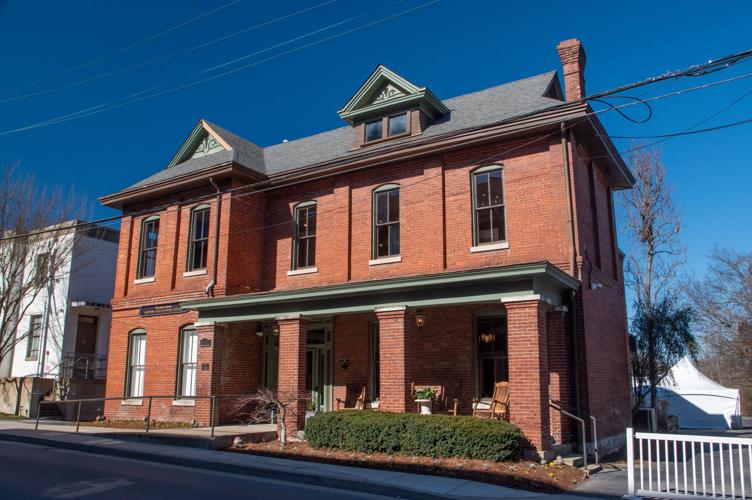
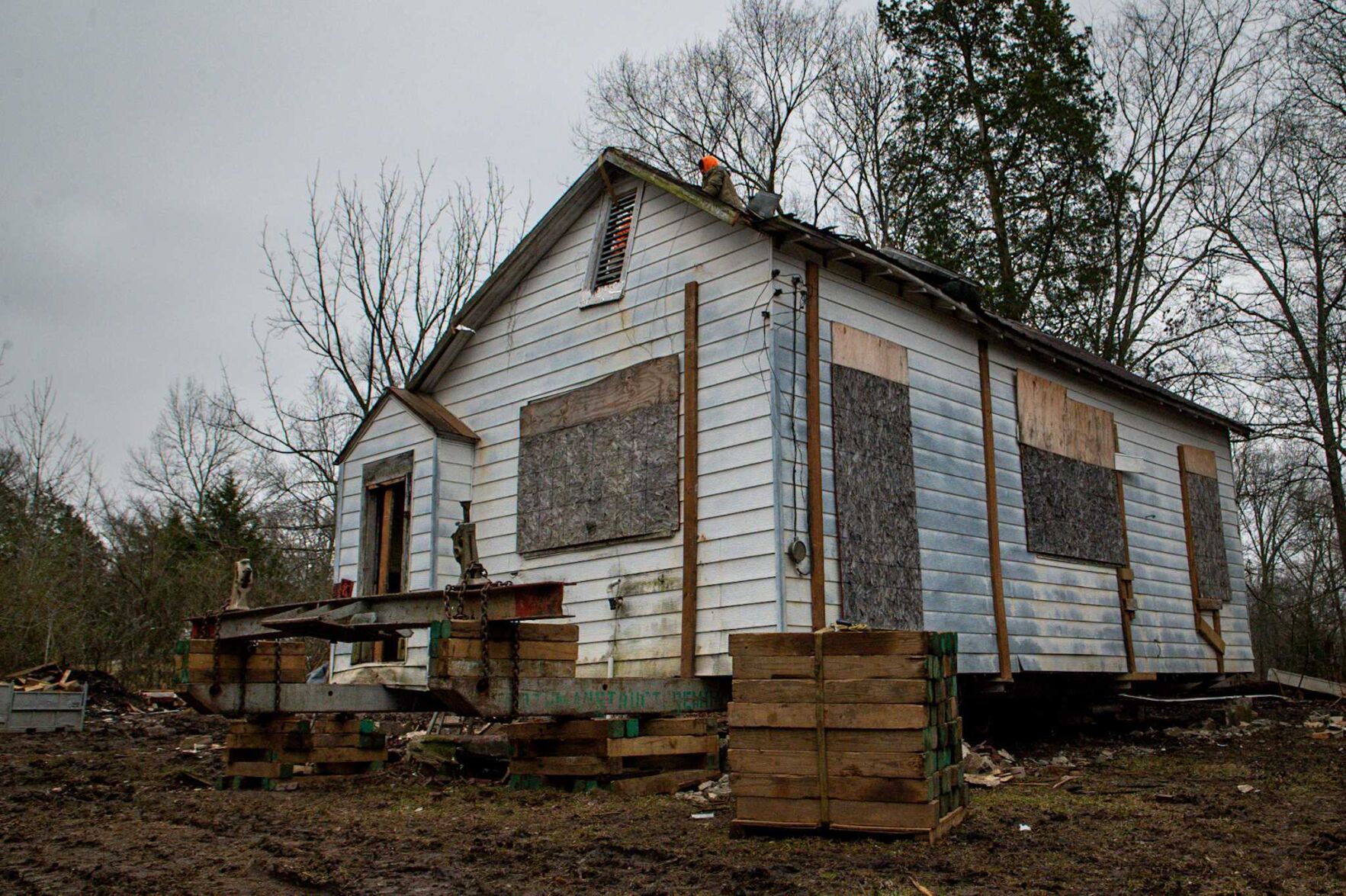
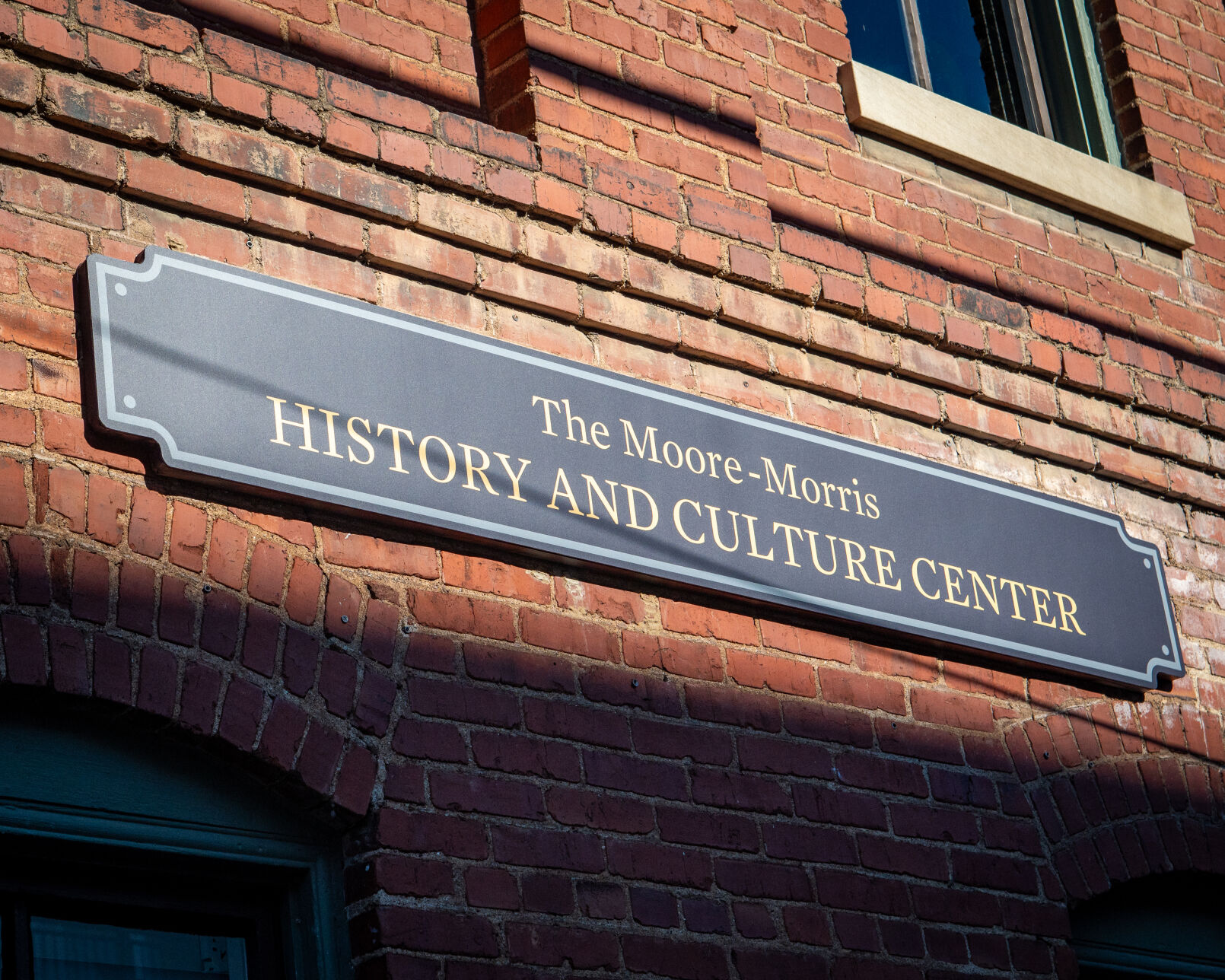
One organization has been hard at work preserving that history over the last year with several projects. In February of 2024, the Heritage Foundation of Williamson County opened the doors to the Moore-Morris History and Culture Center of Williamson County — and moved the last remaining Rosenwald School in the county from Spring Hill to Franklin so it could be preserved.
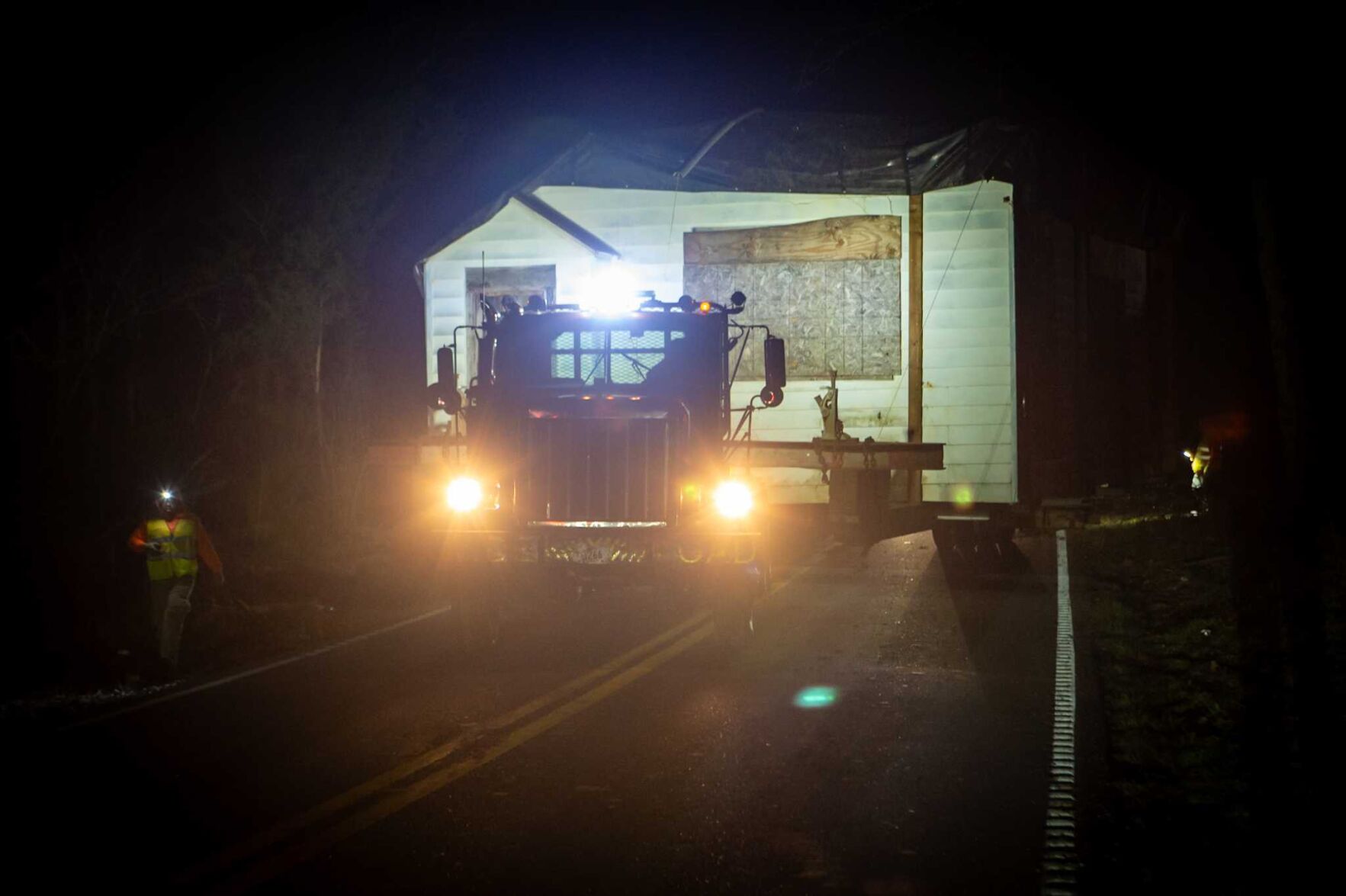
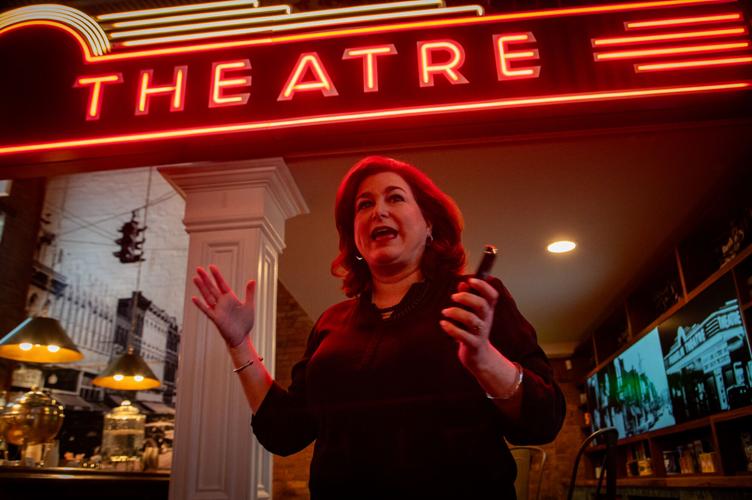
At the Heritage Foundation’s annual Year in Review event at the end of March, CEO Bari Beasley reflected on her emotions as she stood alongside former students of the school in the middle of the night. The group watched on the sidewalk as a truck drove the building slowly down Lewisburg Pike to its new home at Franklin Grove and Gardens.
“As we stood there and we cried together it was an incredible moment and someone said ‘that’s my history coming down the road,’” Beasley said. “Then to see it there in its new location, to know it will be perfectly preserved, it will be interpreted and it will be shared for future generations is what this organization is all about. So for me personally, that was a true mountaintop moment in 2024.”
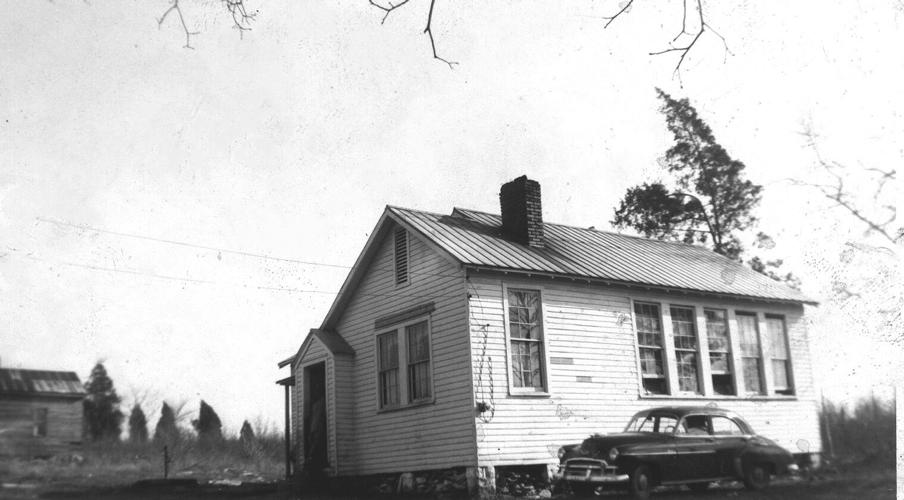
The Lee-Buckner School was built as part of an initiative to provide education for Black children in rural areas between the CEO of Sears, Roebuck and Company, Julius Rosenwald, and Tuskegee Institute leader Booker T. Washington. More than 300 of those schools were built in Tennessee, but now less than 17 percent remain. When Rosenwald Schools were built, they required buy-in from the communities. And in 1925 Monroe and Francis Lee donated their land in Duplex which is now part of Spring Hill. But, that is not the beginning. (Read the four part series Rosenwald Restoration on our website.)

Monroe’s father was Anderson Lee. Born an enslaved man in Virginia, Anderson one day would become a founder of the Rural Hill Church in Duplex, which served as a place of education for Black children around 1868. The original church no longer exists, but it was likely very close to where Lee-Buckner was built in Duplex.
Within a stone's throw from where the Rural Hill Church and Lee-Buckner buildings sat is the Spratt Cemetery. It was close enough that some of the men who went to the Lee-Buckner School remembered playing behind it as children and walking over into the cemetery.
One of the first women known to teach at the school, Janie Overton, who died in 1963, is buried in the Spratt Cemetery. Her parents were born into slavery, but in 1877 she was born free and later married into the Overton family in Duplex. In conversations about the school, the history of Duplex and the people of the community are an important aspect of what preservation is all about.

Franklin Grove with Lee-Buckner on the far right
Even though the physical building of Lee-Buckner has been moved, there have been ongoing conversations about putting up a historical marker to commemorate the property it was originally built on in Duplex.
“While we know a lot about the history of Williamson County, the history of the African American experience of Williamson County is something that has really yet to be fully explored, delved into and digested,” a preservation consultant for the Heritage Foundation Rachael Finch told the Williamson Scene. “I think that there are going to be more opportunities to partner with the alumni and really learn more about the history of Duplex as a community — as it pertains to the school and how we move forward, telling the history of the school at Franklin Grove.”
The Lee-Buckner building is now nearly 100 years old but it serves as a reminder that segregation is not some distant part of Williamson County history as one of the students recalled a time when she went to the Franklin Theatre and it was segregated.
“How incredible is it that now, in 2024, this schoolhouse that was a beacon of light during a time of segregation will be moved to this historic neighborhood and interpreted, restored and told for generations to come,” Beasley previously told the Williamson Scene.
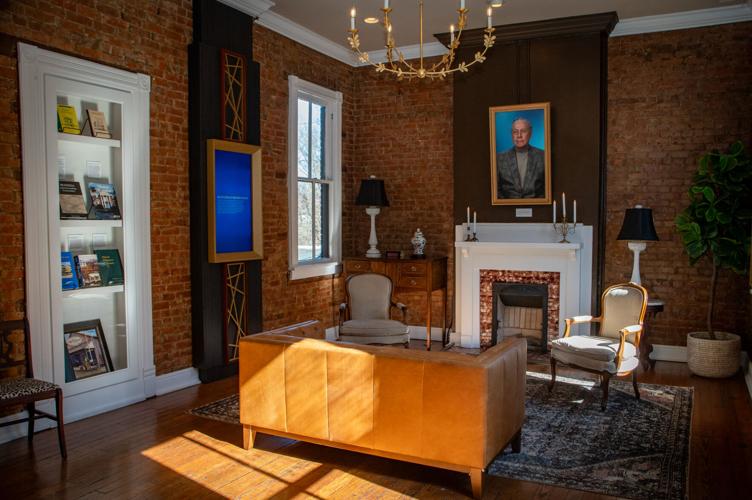
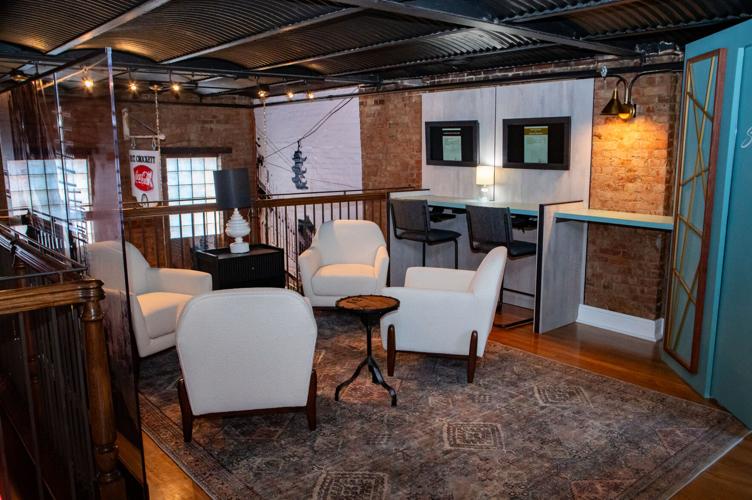
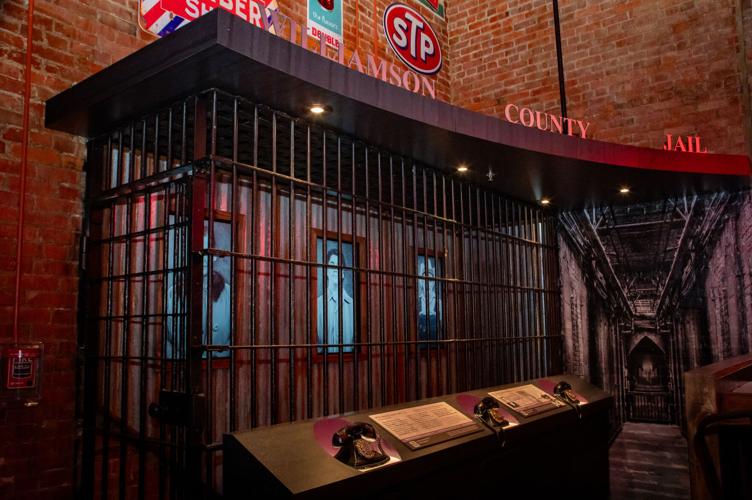
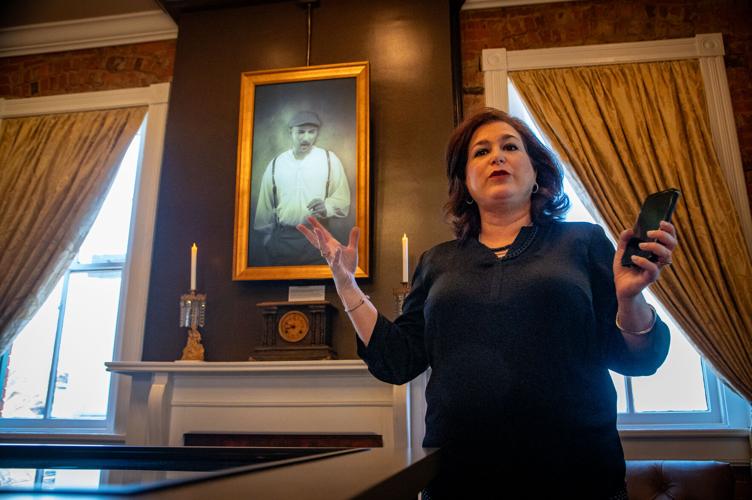
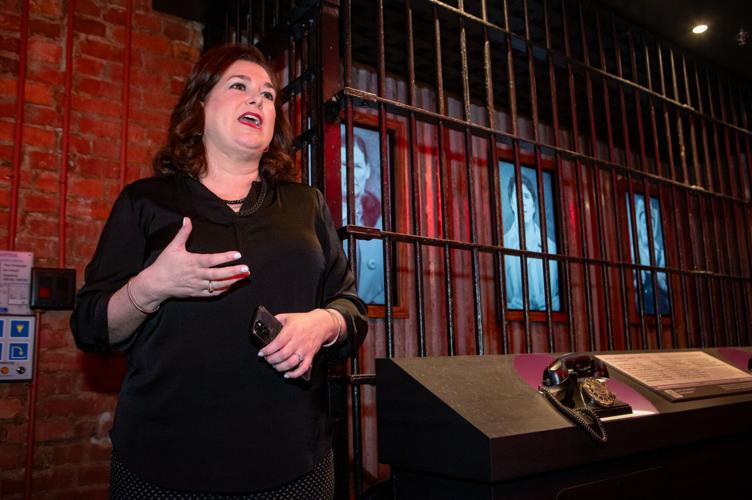
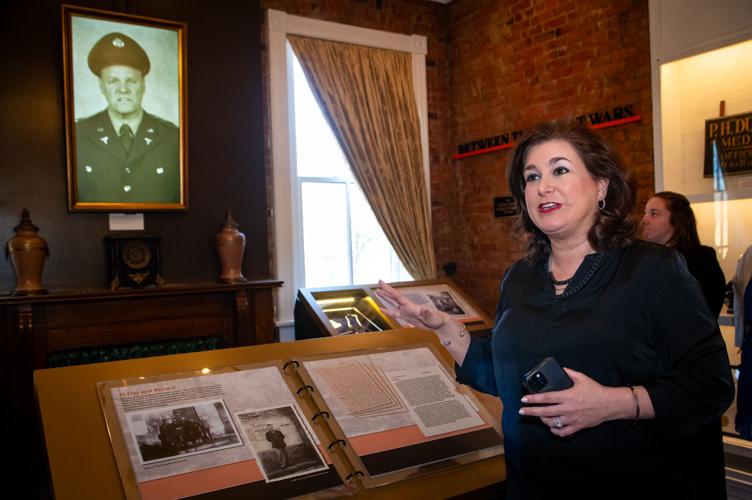
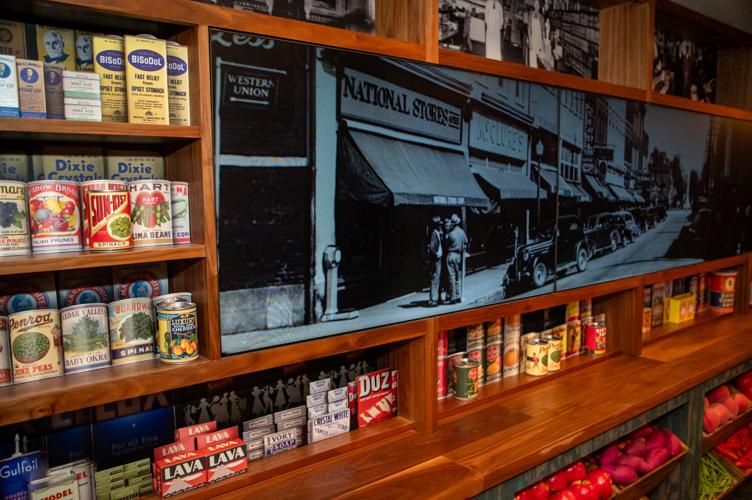
Guests of the Moore-Morris History and Culture Center of Williamson County also get to experience stories from communities that they might not be familiar with in a unique way.




Moore-Morris History and Culture Center opens in former McConnell House
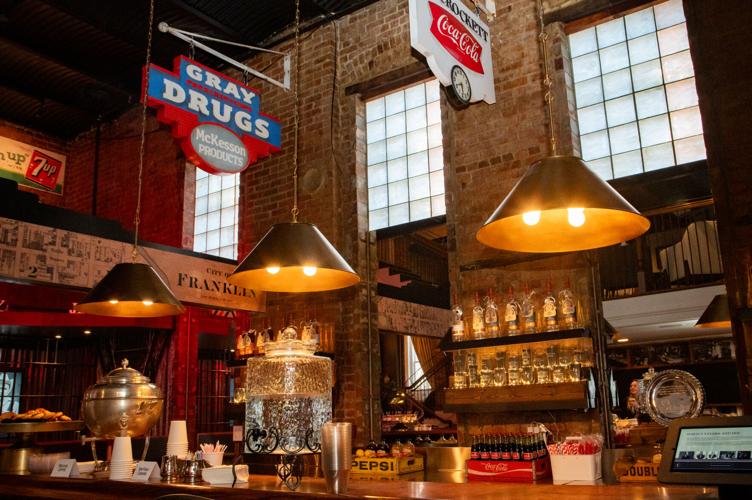
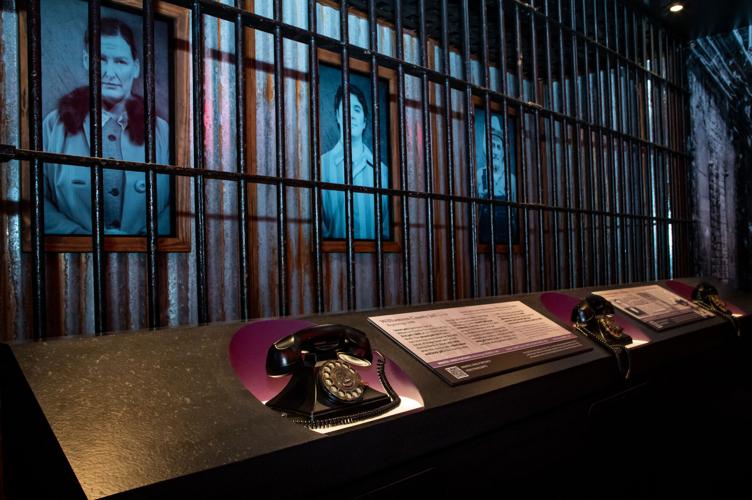
Stories like Freeman Thomas’ or Alice Ready’s — who was from Rutherford County — show visitors more of a connection between Williamson County to all of Middle Tennessee (you’ll have to go listen to understand why.) Many of the displays are virtual, including one room which features different chapters of Native American history in the region so that there is a rotation of fresh content.
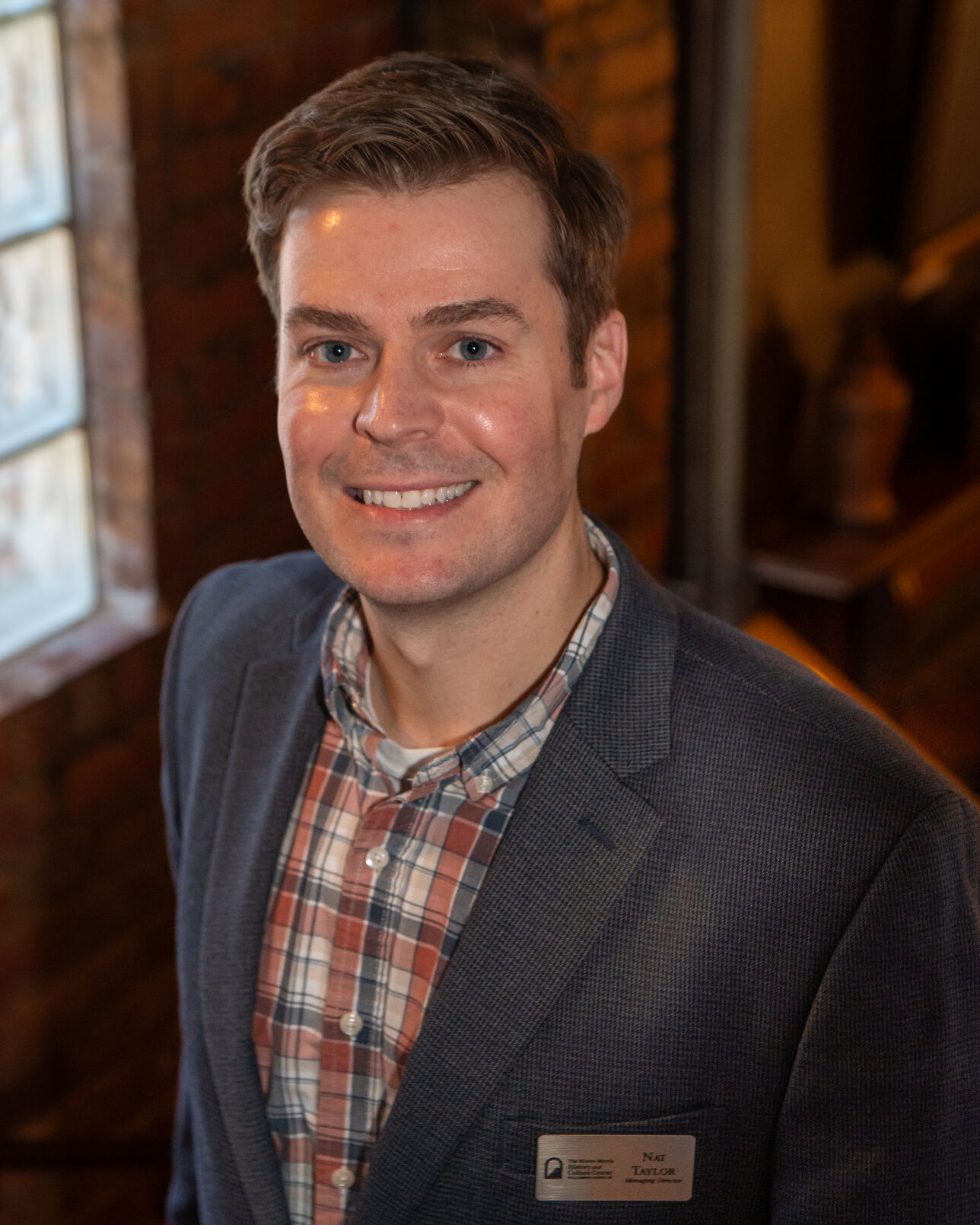
“You can't just extricate Williamson County history from the rest of the counties and region around it. Those links are going to be inseparable,” managing director of the History and Culture Center Nat Taylor told the Williamson Scene on opening day. “If we can do some research and root out the stories that have really been overlooked and undervalued and underappreciated over time, that's one of my main goals, to focus on that inclusivity.”
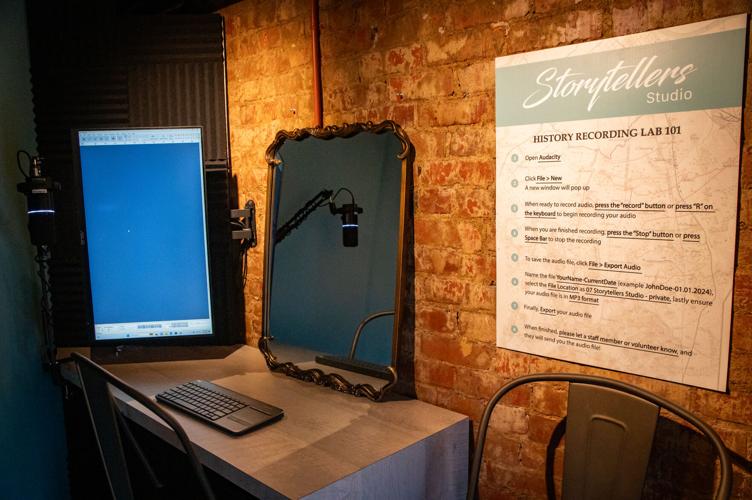
For visitors who want even more of a deep dive into the heritage of Middle Tennessee, there is a history lab and storytellers studio where people can help record oral histories of stories that have yet to be told. Those interactive elements are part of what makes the center so special.
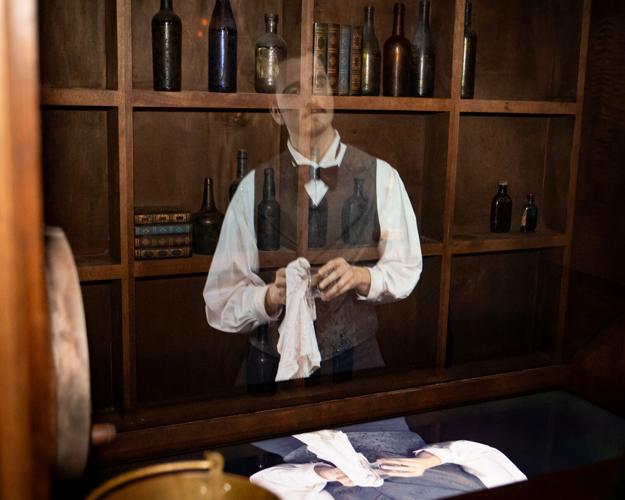
The property where the center is located was originally White’s Tavern & Inn around 1803 and many may know Granny White but when entering the museum, people are greeted by her son Benjamin White.

“We basically were able to tell the personal stories of these historical figures through their own words,” Taylor previously said. “Through these living portraits, that's what really makes this history center unique. We can take these narratives directly from the historical record and instead of just typing them out and putting them on a display and hoping someone reads them — you can walk by and the displays actually come to life and will tell you that story.”
Recently, the Heritage Foundation announced it would be moving the History and Culture Center to its property at the Franklin Grove Estate and Gardens. The organization will seek protections on the Bridge Street building where the center is currently located and the building next to it that also houses the Heritage Foundation offices. Once restrictive and protective covenants and easements are in place, the foundation will market the properties for sale.
“This real estate strategy has been unanimously approved by our board as a win-win for the foundation and the community,” Heritage Foundation Board Chair William Scales said in a release. “We are able to secure long-term protection for two historic buildings and better optimize their uses to the benefit of the community. We are able to strengthen the offerings of Franklin Grove as a comprehensive and dynamic cultural institution. It’s a strategic opportunity that sets the stage for an even more exciting future for the foundation.”